Vietnam Travel Cost From Australia: Flights, Visa & Daily Budget (2026)
A realistic 2026 budget guide for Australian travellers visiting Vietnam. Covering return flights from Sydney, Melbourne, Brisbane and Perth, official eVisa fees, daily spending in AUD, and sample 7-, 10- and 14-day itineraries.
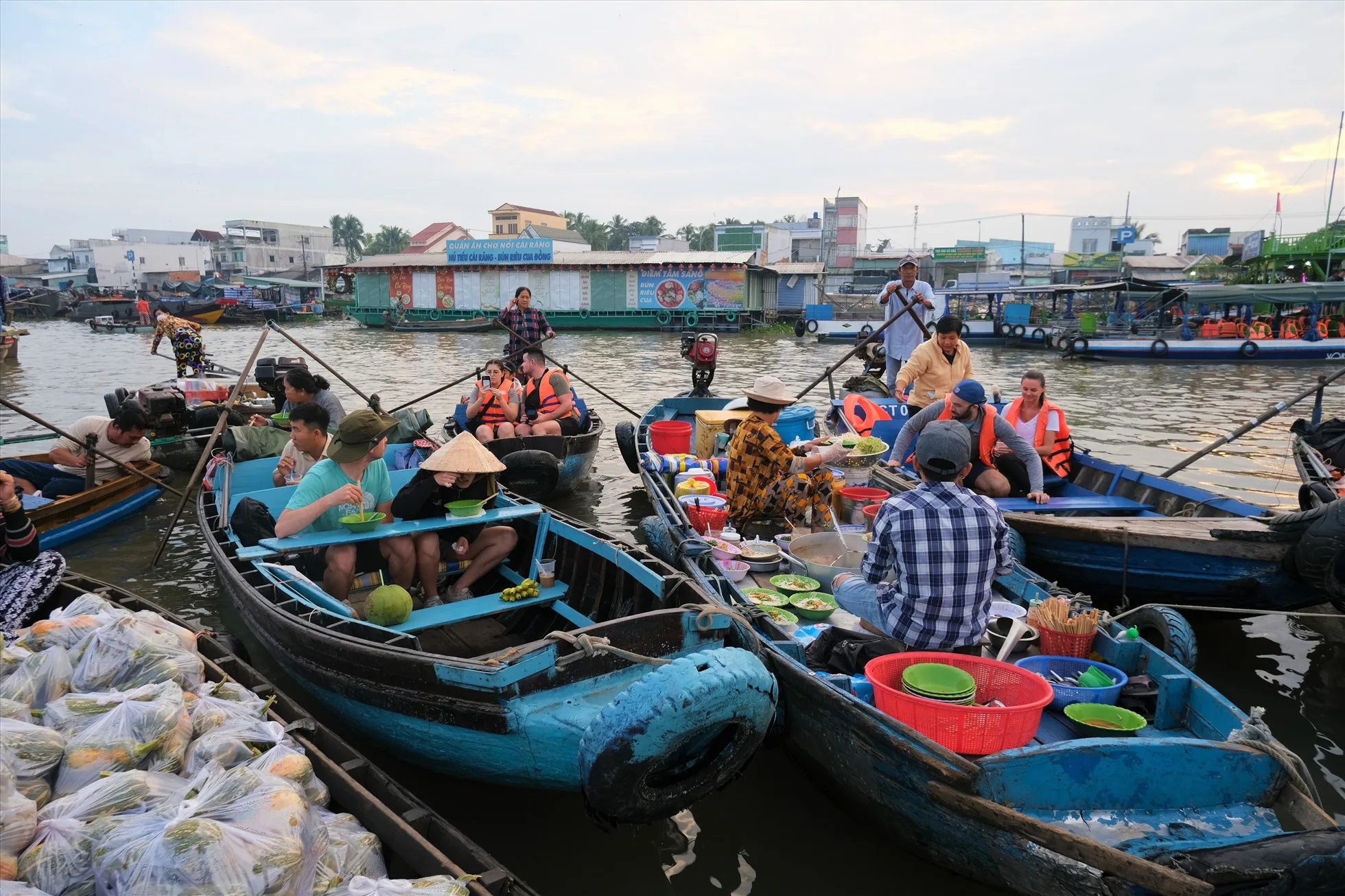
If you live in Australia and are planning a holiday to Vietnam in 2026, expect a 10-day trip to cost between AUD $2,200 and $3,200 per person on a comfortable mid-range budget, including return flights from Sydney, Melbourne, Brisbane, or Perth, official eVisa fees, travel insurance, quality 3- to 4-star boutique hotels, dining, and internal transport. Independent budget travellers can manage on AUD $1,600 to $2,000, while premium holidaymakers staying in 5-star heritage hotels and taking luxury Halong Bay cruises should plan for AUD $4,800 to $7,000+.
Exchange Rate Context (Checked 21 September 2026): All conversions in this guide use an indicative exchange rate of 1 AUD ≈ 18,500 – 18,600 Vietnamese Dong (VND) (current market rate approx. 18,531 VND) and 1 AUD ≈ 0.65 – 0.67 USD. Foreign exchange rates fluctuate daily; all AUD figures here represent realistic planning benchmarks. Official Vietnamese government visa fees are levied in USD.
Vietnam trip cost from Australia at a glance
Unlike domestic Australian holidays or trips to Europe, the upfront flight ticket represents a large share of your total expenditure, while in-country daily spending remains remarkably budget-friendly. Here is an overview of what Australian travellers realistically spend across typical trip durations:
| Travel Style | 7 Days (One or Two Regions) | 10 Days (Classic Highlights) | 14 Days (North to South) |
|---|---|---|---|
| Budget / Backpacker Hostels/guesthouses, street food, buses/trains, budget flights |
AUD $1,450 – $1,950 | AUD $1,750 – $2,350 | AUD $2,250 – $3,100 |
| Comfortable / Mid-Range 3–4★ boutique hotels, sit-down dining, domestic flights, guided day tours |
AUD $2,300 – $3,100 | AUD $2,850 – $3,900 | AUD $3,800 – $5,200 |
| Premium / Luxury 5★ luxury resorts, fine dining, private driver/guide, luxury cruise |
AUD $4,200 – $6,200 | AUD $5,200 – $7,800 | AUD $7,200 – $11,000+ |
*Note: Totals above include estimated return international airfare from Australia (off-peak to shoulder season), single-entry eVisa, comprehensive travel insurance, accommodation, food, in-country transport, activities, and a 10% contingency buffer.
Flights from Australia to Vietnam: Routes, Airlines & Fare Ranges
International airfare is usually your single largest expense. Fortunately, competition on Australia–Vietnam routes has expanded significantly, with non-stop services connecting Australia’s east coast and west coast to Vietnam’s two primary international gateways: Ho Chi Minh City (Tan Son Nhat - SGN) and Hanoi (Noi Bai - HAN).
Airfare Check (21 September 2026): Indicative fares cross-referenced against published schedules from Vietnam Airlines, Vietjet Air, and Jetstar. Fares vary by booking lead time, departure day, and baggage tier.
Direct Flight Options
- From Sydney (SYD): Non-stop flights to Ho Chi Minh City and Hanoi operated by Vietnam Airlines (full service) and Vietjet (low-cost). Flight time is approximately 8.5 to 9.5 hours. Promotional return fares start from AUD $887–$950 off-peak.
- From Melbourne (MEL): Non-stop flights to Ho Chi Minh City and Hanoi operated by Vietnam Airlines, Vietjet, and Jetstar. Flight time is roughly 8.5 to 9.5 hours, with return fares from AUD $900–$970 on full-service carriers during seasonal promotions.
- From Brisbane (BNE): Non-stop flights to Ho Chi Minh City operated by Vietjet and seasonal/scheduled services by Vietnam Airlines.
- From Perth (PER): Non-stop services to Ho Chi Minh City by Vietjet and Vietnam Airlines (around 6.5 to 7 hours), offering the fastest flight path from Australia into Southeast Asia with return fares frequently under AUD $890.
| Airline Type | Off-Peak Return Range (AUD) | Peak / School Holiday Return (AUD) | What is Included |
|---|---|---|---|
| Low-Cost Carriers (Vietjet, Jetstar) |
$650 – $950 | $1,250 – $1,850 | Carry-on only (7kg). Checked luggage (20–30kg), in-flight meals, and seat selection add $140–$220 return. |
| Full-Service Carriers (Vietnam Airlines) |
$1,050 – $1,550 | $1,650 – $2,350 | Checked baggage (typically 23–32kg allowance), hot meals, beverages, and in-flight entertainment included. |
| One-Stop Transit (Singapore Airlines, Scoot, Malaysia Airlines) |
$850 – $1,400 | $1,500 – $2,100 | Short layover in Singapore or Kuala Lumpur; often cheaper for Perth, Adelaide, or Brisbane departures. |
Booking Tip for Australians: Australian school holidays (particularly late June/July and mid-December to late January) and Vietnamese Lunar New Year (Tet, usually late January to mid-February) see airfares surge by 50% to 100%. Booking 4 to 6 months in advance is critical to lock in sub-$1,000 return tickets.
Vietnam visa and entry costs for Australian travellers
Australian passport holders require a visa to enter Vietnam. The entry process is fully digitalised via Vietnam's official electronic visa (eVisa) system.
According to official advice from the Australian Department of Foreign Affairs and Trade (DFAT) on Smartraveller, Australian citizens must hold a valid visa prior to departure; there is no visa-on-arrival facility without pre-approved official documentation.
- Official Government Application Portals: Applications must be lodged directly on Vietnam's official immigration portals: evisa.gov.vn or thithucdientu.gov.vn.
- Single-Entry eVisa Fee: USD $25 (approximately AUD $37 – $39 depending on your card issuer's daily rate). Valid for stays up to 90 days.
- Multiple-Entry eVisa Fee: USD $50 (approximately AUD $75 – $78). Necessary if your journey includes side trips to Cambodia, Laos, or Thailand before re-entering Vietnam.
- Official Processing Time: Officially 3 working days, though travellers should submit their application at least 10 to 14 days before flying to safeguard against public holidays or peak processing backlogs.
Warning on Third-Party Visa Portals: Numerous commercial intermediary sites imitate official portals and charge AUD $90 to $180 for standard eVisas. Always check that the web address is the official government portal (evisa.gov.vn) to pay only the legal statutory fee. For packing lists and cultural etiquette, see our Vietnam Travel Guide for First-Time Visitors.
Daily spending in Vietnam: Realistic expense categories in AUD
Once your international flights and visa are secured, Vietnam is remarkably affordable. At an exchange rate of approximately 18,500 VND to 1 AUD, your Australian dollar delivers outstanding purchasing power. Here is a realistic breakdown of daily in-country expenses:
1. Accommodation (per room per night)
- Budget / Hostels: AUD $18 – $35 per night for clean private rooms or upscale dorms with air conditioning.
- Comfortable 3- to 4-Star Boutique Hotels: AUD $65 – $130 per night. In cities like Hanoi, Hoi An, and Hue, this tier provides charming character hotels with swimming pools, buffet breakfasts, and central locations.
- 5-Star Luxury Hotels & Beach Resorts: AUD $220 – $550+ per night. Properties like the Sofitel Legend Metropole Hanoi, Four Seasons Nam Hai (Hoi An), or InterContinental Danang represent world-class luxury at roughly 40% less than equivalent Australian luxury resorts.
2. Food, Coffee & Drinking
- Street Food & Local Eateries: A bowl of authentic pho, bun cha, or banh mi costs between 35,000 and 70,000 VND (AUD $1.90 – $3.80).
- Casual Sit-Down Cafes & Vietnamese Restaurants: AUD $8 – $16 per person (150,000 – 300,000 VND) for a full meal with drinks in air-conditioned dining spots.
- Upscale & Contemporary Dining: AUD $35 – $80+ per person for multi-course modern Vietnamese tasting menus or fresh seafood feasts.
- Coffee Culture: A traditional iced condensed milk coffee (ca phe sua da) or egg coffee costs 25,000 to 50,000 VND (AUD $1.35 – $2.70).
- Bottled Water & Local Beer: Bottled water is AUD $0.55 (10,000 VND); local beers (Bia Saigon, Bia Hanoi) are AUD $1.35 – $2.45 (25,000 – 45,000 VND).
3. In-Country Transportation
- Ride-Hailing (Grab): Download the Grab app before leaving Australia. A typical 15-minute city ride in Hanoi or Ho Chi Minh City costs between 40,000 and 90,000 VND (AUD $2.15 – $4.85).
- Airport Transfers: Pre-booked private transfers or Grab cars from airport to city center cost roughly AUD $16 – $25 in Hanoi (45 min drive) and AUD $7 – $12 in Ho Chi Minh City (25 min drive).
- Domestic Flights: Flying between Hanoi, Da Nang, and Ho Chi Minh City takes just over an hour. One-way flights on Vietnam Airlines or Bamboo Airways cost AUD $65 – $130, including 20–23kg of checked baggage.
- Sleeper Trains: The overnight Reunification Express between Hanoi and Da Nang/Hue offers a 4-berth soft sleeper cabin for approximately AUD $45 – $70 per person.
4. Sightseeing & Activities
- City Heritage Sites: Entrance to Hanoi's Temple of Literature (70,000 VND / ~AUD $3.80), Ho Chi Minh Mausoleum complex (free grounds, ~AUD $2.50 museum), or Hue Imperial Citadel (200,000 VND / ~AUD $10.80).
- Hoi An Ancient Town Ticket: 120,000 VND (~AUD $6.50), which grants access to 5 heritage sites (historic houses, assembly halls, and the Japanese Covered Bridge).
- Halong Bay Cruises: A 2-day/1-night overnight cruise on Halong or Lan Ha Bay ranges from AUD $190 – $280 per person on a solid 4-star ship, up to AUD $420 – $750+ per person on premier 5-star luxury vessels (including all onboard meals, kayaking, and excursions).
5. SIM Cards & Connectivity
High-speed 4G/5G mobile connectivity is available everywhere. You can purchase an eSIM online before departing Australia (via providers like Airalo or Nomad) or buy a physical Viettel/Vinaphone tourist SIM upon arrival at Hanoi or Ho Chi Minh City airports for AUD $13.50 – $21.50 (250,000 – 400,000 VND), providing 4GB to 7GB of high-speed data daily for 30 days.
6. Travel Insurance for Australians
Do not travel to Vietnam without comprehensive travel insurance covering medical evacuation, trip disruption, and baggage loss. Leading Australian insurers (such as Cover-More, Allianz, Bupa, or 1Cover) charge approximately AUD $90 to $160 for a 10-day single-trip policy, or AUD $140 to $240 for a couple.
3 Real-World Trip Budget Examples for Australian Travellers
To demonstrate how all these elements come together, here are three realistic budget scenarios based on actual 2026 pricing:
Example 1: 7-Day Regional Taster (Hanoi, Ninh Binh & Halong Bay)
Ideal for Australians with one week of annual leave seeking a mix of culture, dramatic limestone karsts, and bay cruising.
| Expense Item | Mid-Range Comfort (AUD) | Calculation Notes |
|---|---|---|
| Return International Flights | $1,050 | Vietnam Airlines direct SYD/MEL–HAN return |
| Visa & Insurance | $138 | Single eVisa ($38) + 7-day comprehensive insurance ($100) |
| Accommodation (6 nights) | $480 | 3 nights Hanoi boutique ($100/night) + 2 nights Ninh Binh resort ($90/night) |
| Overnight Halong Cruise (1 night) | $290 | 4-star bay cruise with full board and transfers |
| Dining, Street Food & Drinks | $250 | ~$35/day for mix of local meals, cafes, and restaurant dining |
| Local Transport & Transfers | $110 | Airport Grab rides + local taxis |
| Attractions, Passes & SIM | $85 | Entrance fees, boat tours, and 30-day tourist SIM |
| Contingency Buffer (10%) | $240 | Buffer for shopping, tips, and unexpected extras |
| Total Estimated Cost | AUD $2,643 | Comfortable week away from Australia |
Example 2: 10-Day Classic Vietnam (Hanoi – Halong – Hoi An – Ho Chi Minh City)
The most popular first-time route for Australians, combining northern scenery, central heritage, and southern dynamism.
| Expense Item | Mid-Range Comfort (AUD) | Premium / Upgraded (AUD) |
|---|---|---|
| Return Flights (SYD/MEL–Vietnam) | $1,100 | $1,550 (preferred direct timings) |
| Domestic Flights (2 internal sectors) | $210 | $340 (business/flex seats with luggage) |
| Visa & Travel Insurance | $150 | $220 (top-tier medical cover) |
| Accommodation (8 nights hotel) | $760 (4★ boutique, ~$95/night) | $1,840 (5★ luxury heritage, ~$230/night) |
| Overnight Halong Bay Cruise (1 night) | $320 (4.5★ cruise cabin) | $680 (5★ luxury balcony suite) |
| Dining, Coffee, Drinks | $440 (~$44/day) | $1,050 (~$105/day fine dining) |
| Sightseeing, Day Tours & Activities | $230 | $520 (private specialist tours) |
| Taxis, Grab, Airport Transfers | $105 | $260 (private chauffeured transfers) |
| SIM, Souvenirs & 10% Buffer | $335 | $640 |
| Total Estimated Cost | AUD $3,650 per person | AUD $7,100 per person |
Example 3: 14-Day Complete Journey (North to South with Mekong & Beach Finish)
Two full weeks covering Hanoi, Ninh Binh, Halong Bay, Hue, Hoi An, Ho Chi Minh City, the Mekong Delta, and a relaxing beach finish in Phu Quoc or Da Nang.
| Budget Category | Comfortable 4-Star Level (AUD) | Notes |
|---|---|---|
| Return Flights (Australia ↔ Vietnam) | $1,150 | Direct open-jaw flight (in Hanoi, out Saigon) |
| Domestic Flights (3 internal sectors) | $310 | HAN–DAD, DAD–SGN, SGN–PQC return with 20kg bags |
| Visa & 14-Day Insurance | $180 | Single-entry eVisa + comprehensive policy |
| Hotels (12 nights) | $1,260 | Boutique character hotels & coastal resort (~$105/night) |
| Halong/Lan Ha Cruise (1 night) | $340 | Premium overnight bay cruise |
| Food, Dining & Beverages | $660 | ~$47/day for authentic dining, coffee, and seafood |
| Sightseeing, Admissions & Boat Rides | $310 | Palace passes, river boats, cooking class |
| Local Transit & Private Airport Cars | $180 | Airport transfers in 4 destinations + Grab |
| Buffer & Incidentals (10%) | $439 | Shopping, laundry, massages, contingency |
| Total Estimated Cost | AUD $4,829 per person | Outstanding 2-week holiday value |
What if you prefer a private Vietnam tour?
For Australian travellers who prefer not to manage individual hotel bookings, negotiate local taxis, or navigate station transfers independently, booking an organised private tour package is an attractive alternative.
A tailor-made private tour bundles your private chauffeured vehicle, dedicated English-speaking local guide, handpicked 4-star or 5-star hotels, entrance tickets, internal transport, and scheduled meals into one unified itinerary designed specifically around your travel dates and group pacing.
Crucially, private touring in Vietnam does not carry the exorbitant price tags seen in Australia or Europe. Because vehicle and guiding costs are shared, couples and families often find that a private package costs only 15% to 25% more than a rigid group bus tour—while granting you total freedom to linger longer at sights you love or bypass tourist traps.
For an exhaustive, itemised breakdown of what private guides, vehicles, and custom itineraries cost per day, consult our companion Vietnam private tour cost guide. If you are still deciding whether an independent, group, or private holiday suits you best, read our detailed comparison of private vs group tours in Vietnam.
To view concrete itineraries and starting prices for custom routes, explore our Vietnam private tour packages.
Costs Australian travellers often forget to budget for
Even seasoned Australian travellers can get caught out by small incidental expenses that accumulate over a multi-week trip:
- Domestic Flight Luggage Allowances: Budget domestic tickets in Vietnam (e.g. on Vietjet) strictly enforce a 7kg carry-on limit. If you pack a 20kg suitcase for your international flight, ensure your domestic tickets include checked baggage add-ons (AUD $18 – $35 per flight), or you will face steep fees at airport check-in counters.
- Bank & International Card Transaction Fees: Standard Australian credit and debit cards (from CommBank, ANZ, Westpac, or NAB) often charge a 3% to 3.5% foreign currency transaction fee plus $5 per international ATM withdrawal. Use fee-free travel cards like Wise, Macquarie Platinum Debit, or ING Everyday to save $80–$150 over a 14-day holiday.
- Hotel Incidental Deposits: Many 4- and 5-star hotels require a credit card pre-authorisation deposit of 500,000 to 2,000,000 VND (AUD $27 – $110) per night upon check-in. Use a credit card rather than a debit card so your everyday spending cash is not locked up.
- Tipping Etiquette: Tipping is not traditionally compulsory in Vietnam, but it has become standard practice for high-quality private guides and drivers. Budgeting AUD $10–$15 per day for your private guide and AUD $5–$8 per day for your driver (split among your travelling party) is widely appreciated.
- Single Room Supplements: If travelling solo on an organised itinerary or cruise, single occupancy supplements typically add 40% to 75% to the per-person accommodation cost.
Practical ways to keep your Vietnam trip budget in check
You don’t have to sacrifice comfort to make your Australian dollar go further in Vietnam. Follow these practical habits:
- Book International Flights During Airline Sales: Vietjet, Jetstar, and Vietnam Airlines regularly run promotional sales (e.g., Vietjet’s "Fly Vietnam" sales or Jetstar’s Friday Frenzy). Setting price alerts on Google Flights 5 to 7 months in advance can save you $300–$500 per ticket.
- Eat Where the Locals Eat: The highest-quality food in Vietnam is often found in busy local restaurants with small stainless steel tables and a single specialty dish. Eating lunch at local noodle and rice spots not only costs under AUD $4 per person, but it also delivers far superior culinary authenticity compared to tourist-oriented hotel cafes.
- Mix Independent Exploration with Guided Touring: You don’t need a private guide to stroll through the pedestrian streets of Hoi An Ancient Town or walk around Hanoi's Hoan Kiem Lake. Save your guided touring budget for complex historical sites like the Cu Chi Tunnels, the Hue Royal Tombs, or remote countryside treks in Sa Pa and Ninh Binh.
- Use Grab for Predictable Pricing: Never hail unmetered street taxis outside airports or train stations. Grab displays the exact fare upfront in VND, bills your Australian card directly without cash hassles, and eliminates the risk of detour billing.
Frequently asked questions: Vietnam trip cost for Australians
A 10-day trip from Australia typically costs between AUD $2,200 and $3,200 per person on a comfortable mid-range budget. This includes return economy flights from Sydney or Melbourne (AUD $800–$1,200), official single-entry eVisa (AUD $38), comprehensive travel insurance (AUD $110), boutique 3- to 4-star hotels, domestic transport, entrance fees, and daily food and coffee. Budget travellers can manage on AUD $1,600–$2,000, while premium travel with 5-star resorts and private tours starts around AUD $4,800+.
For comfortable independent travel, budget around AUD $60 to $120 per person per day for food, coffee, Grab rides, entrance fees, and small activities. Budget travellers can get by on AUD $30 to $45 per day by eating street food and using local transit. Luxury dining and private touring will require AUD $180 to $350+ per day.
Off-peak return economy flights from Sydney, Melbourne, Brisbane, or Perth to Ho Chi Minh City or Hanoi generally range from AUD $650 to $950 on budget carriers (like Vietjet or Jetstar, without checked luggage) and AUD $1,050 to $1,550 on full-service carriers (like Vietnam Airlines, Singapore Airlines, or Qantas partners). During Australian school holidays, Christmas/New Year, and Vietnamese Tet, fares frequently rise to AUD $1,500–$2,300+.
Yes. Australian passport holders must obtain an official electronic visa (eVisa) before boarding their flight, as confirmed by DFAT on Smartraveller. Applications must be lodged through the official portal (evisa.gov.vn). Standard single-entry eVisas cost USD $25 (approx. AUD $37–$39) and multiple-entry eVisas up to 90 days cost USD $50 (approx. AUD $75–$78). Beware of unofficial commercial websites charging excessive service fees.
Yes, Vietnam remains one of the best-value destinations in the Asia-Pacific region for Australians. While international airfare represents a significant upfront cost, daily expenses inside Vietnam—such as high-quality boutique hotels (AUD $65–$130/night), meals (AUD $3–$15), and local transport (Grab rides under AUD $5)—offer exceptional purchasing power for the Australian dollar at current exchange rates (~18,500 VND to 1 AUD).
Carry Vietnamese Dong (VND) for daily in-country spending. Most daily transactions (street food, taxis, markets, cafes) are cash-only in VND. Cards (Visa/Mastercard) are widely accepted in hotels, supermarkets, and established restaurants in major cities. We recommend using a low-fee multi-currency debit card (such as Wise, ING, or Macquarie) to withdraw VND directly from local ATMs (like VPBank, TPBank, or Vietcombank). Carrying USD $100 in crisp, undamaged notes is useful as an emergency backup.
Private tours become significantly more economical per person when travelling as a couple, family, or small private group. Because the fixed costs of a private chauffeured vehicle and personal licensed guide are shared across 2 to 6 people, the per-person rate drops markedly compared to solo private touring. For couples and families, private tours often cost only slightly more than joining rigid bus tours while offering complete pacing flexibility.
Ready to plan your trip to Vietnam?
Whether you want a fully customised private itinerary or advice on regional pacing for your dates, our Vietnam travel specialists are ready to help shape your ideal holiday.
Plan My Trip →Frequently asked questions
How much does a 10-day Vietnam trip from Australia cost?
A 10-day trip from Australia typically costs between AUD $2,200 and $3,200 per person on a comfortable mid-range budget. This includes return economy flights from Sydney or Melbourne (AUD $800–$1,200), official single-entry eVisa (AUD $38), comprehensive travel insurance (AUD $110), boutique 3- to 4-star hotels, domestic transport, entrance fees, and daily food and coffee. Budget travellers can manage on AUD $1,600–$2,000, while premium travel with 5-star resorts and private tours starts around AUD $4,800+.
How much spending money do I need per day in Vietnam?
For comfortable independent travel, budget around AUD $60 to $120 per person per day for food, coffee, Grab rides, entrance fees, and small activities. Budget travellers can get by on AUD $30 to $45 per day by eating street food and using local transit. Luxury dining and private touring will require AUD $180 to $350+ per day.
How much are flights from Australia to Vietnam?
Off-peak return economy flights from Sydney, Melbourne, Brisbane, or Perth to Ho Chi Minh City or Hanoi generally range from AUD $650 to $950 on budget carriers (like Vietjet or Jetstar, without checked luggage) and AUD $1,050 to $1,550 on full-service carriers (like Vietnam Airlines, Singapore Airlines, or Qantas partners). During Australian school holidays, Christmas/New Year, and Vietnamese Tet, fares frequently rise to AUD $1,500–$2,300+.
Do Australians need a visa for Vietnam?
Yes. Australian passport holders must obtain an official electronic visa (eVisa) before boarding their flight, as confirmed by DFAT on Smartraveller. Applications must be lodged through the official portal (evisa.gov.vn). Standard single-entry eVisas cost USD $25 (approx. AUD $37–$39) and multiple-entry eVisas up to 90 days cost USD $50 (approx. AUD $75–$78). Beware of unofficial commercial websites charging excessive service fees.
Is Vietnam cheap for Australian travellers?
Yes, Vietnam remains one of the best-value destinations in the Asia-Pacific region for Australians. While international airfare represents a significant upfront cost, daily expenses inside Vietnam—such as high-quality boutique hotels (AUD $65–$130/night), meals (AUD $3–$15), and local transport (Grab rides under AUD $5)—offer exceptional purchasing power for the Australian dollar at current exchange rates (~18,500 VND to 1 AUD).
Should I carry AUD, USD or Vietnamese dong?
Carry Vietnamese Dong (VND) for daily in-country spending. Most daily transactions (street food, taxis, markets, cafes) are cash-only in VND. Cards (Visa/Mastercard) are widely accepted in hotels, supermarkets, and established restaurants in major cities. We recommend using a low-fee multi-currency debit card (such as Wise, ING, or Macquarie) to withdraw VND directly from local ATMs (like VPBank, TPBank, or Vietcombank). Carrying USD $100 in crisp, undamaged notes is useful as an emergency backup.
Is a private Vietnam tour cheaper for couples or families?
Private tours become significantly more economical per person when travelling as a couple, family, or small private group. Because the fixed costs of a private chauffeured vehicle and personal licensed guide are shared across 2 to 6 people, the per-person rate drops markedly compared to solo private touring. For couples and families, private tours often cost only slightly more than joining rigid bus tours while offering complete pacing flexibility.
Tours featured in this story


Vietnam Grand Tour: Hanoi, Halong, Hue, Hoi An & Mekong Delta

Ready to plan your Vietnam journey?
Our local team designs private tours across Vietnam — from Hanoi old quarters to Mekong floating markets.
Browse toursMore stories you may like
Private vs. Group Tours in Vietnam: Which One Fits You in 2026?
Real 2026 market data on private and group tours in Vietnam: price comparison, break-even point for a group of...
How Much Does a Private Tour in Vietnam Cost? 2026 Price Guide
Real Vietnam private tour prices for 2025–2026: $75–115 budget, $125–185 comfortable, $200–380+ luxury per per...
Halong Bay 3 Days 2 Nights: An Honest Planning Guide
What a 3 day 2 night Halong cruise really includes: the middle-day boat transfer, 2026 entrance fees in USD an...