Vietnam Travel Guide for First-Time Visitors (2026)
Planning your first trip to Vietnam? Compare realistic itineraries, regional weather, visa rules, transport, budgets, food, and practical tips.

Vietnam is easy to underestimate from a map. It runs from misty northern mountains to tropical islands, and each region has its own weather, food, and travel rhythm. A first visit feels better when the route fits your time, energy, and priorities rather than a checklist.
Answer
For a first Vietnam trip, 10–14 days is a comfortable window for a north-to-south highlights route. If your schedule is tighter, the Vietnam In Sight: Journey from Hanoi to Ho Chi Minh City offers an 8-day frame. Use flights for long distances, keep a weather day, and confirm rules before paying.
On this page

1. Choose the right shape of your first trip
Decide whether you want breadth or depth. A classic route links Hanoi, Ninh Binh, Ha Long Bay, Hoi An and Ho Chi Minh City; the pace shifts from old streets and karst landscapes to sea, lantern-lit lanes and a modern city. The trade-off is transfers. With seven days, remove stops instead of making every day a checkout day.
Families often do better with fewer hotel changes: Hanoi, Ninh Binh, Hoi An, and a beach base is calmer than a full-country sprint.
2. Visa and entry requirements
Always check the official portals before booking. Visa eligibility depends on nationality, passport type, dates, and intended entry points. Airline check-in staff may rely on the same documents, so save your approval letter or exemption evidence offline.
Visa-free entry
Vietnam’s Ministry of Foreign Affairs currently lists a standard 45-day unilateral visa exemption for citizens of Russia, Japan, South Korea, Denmark, Norway, Finland, Sweden, the United Kingdom, France, Germany, Spain and Italy, subject to the conditions stated in the official list. Passport and nationality exceptions matter; for example, British National (Overseas) passports are not the same as British citizen passports for this purpose. Some other nationalities may qualify under a separate organized-tour program, so don't generalize from a friend’s passport.
E-visa
The official Vietnam Immigration e-visa portal states that it can issue an e-visa for up to 90 days, with single-entry or multiple-entry options. The listed government fee is US$25 for single entry and US$50 for multiple entry; you pay through the official portal, and fees are generally non-refundable if an application is refused. Use the exact passport name, date of birth, and intended entry point, then check the approved document before traveling.
Pre-arrival checklist
- Check passport validity, blank pages and nationality-specific rules.
- Apply through evisa.gov.vn or a clearly authorized channel.
- Confirm entry points and keep your approval PDF, passport scan, accommodation address and insurance offline.
3. Understand Vietnam’s weather by region
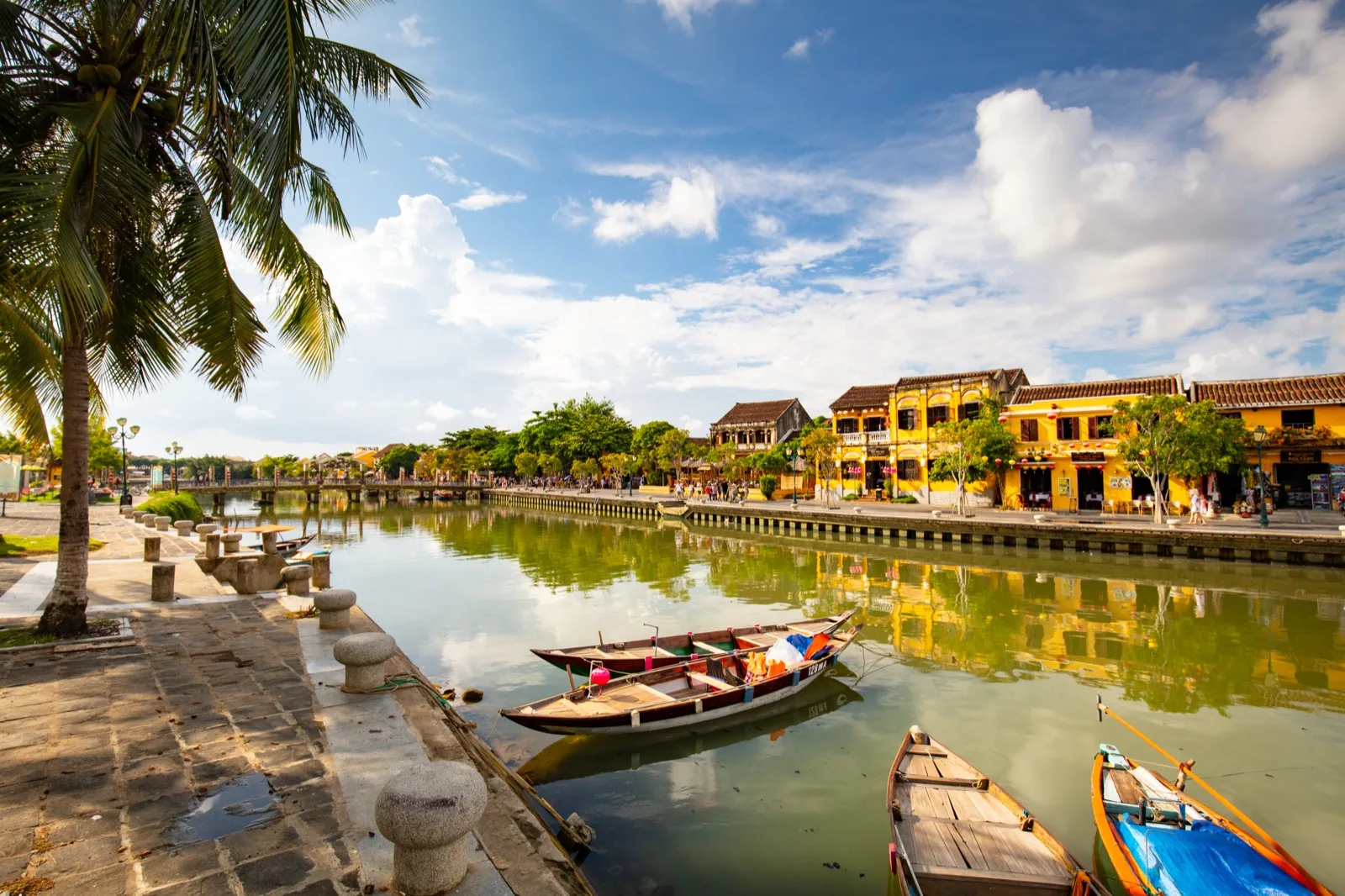
No single month is the “best month” for the whole country. Northern Vietnam has a cooler winter and hot, humid summers. Central Vietnam can be wet and storm-affected later in the year, while the south generally has a drier period followed by heavier rain. Shoulder months can be excellent, but plan outdoor activities with a weather buffer. The official Vietnam Tourism climate guide is a useful starting point; check a date-specific forecast before cruises, mountain roads, and boat trips.
| Region | Good planning windows | What to expect | Pack and plan for |
|---|---|---|---|
| North Hanoi, Ninh Binh, Ha Long, Sa Pa | Spring and autumn are often comfortable for mixed sightseeing; winter can feel cool in the north. | Temperature swings, humid summer and occasional rain. | Layers, a light rain shell and a buffer for mountain or bay activities. |
| Centre Hue, Da Nang, Hoi An | Spring to early summer is often workable for heritage and beach combinations. | Hot periods, tropical rain and possible late-year storms. | Sun protection, quick-dry clothing and a backup indoor day. |
| South Ho Chi Minh City, Mekong, Phu Quoc | The drier part of the year is generally easiest for outdoor plans. | Warm weather year-round, with showers that may be brief or heavy. | Breathable clothes, insect repellent and waterproof protection for electronics. |
Pack for the season you are actually visiting: comfortable walking shoes, breathable shirts, sandals that can get wet and one light layer. Keep weather-sensitive activities away from your international departure.

4. Where should a first-time visitor go?
North: Hanoi is a strong first base for food, history, and neighborhood walks. Ninh Binh adds limestone scenery without a flight; Ha Long Bay and Cat Ba add a seascape; Sa Pa suits longer outdoor days, while the Ha Giang Loop 4 Days 3 Nights offers a focused mountain adventure.
Center: Hue brings imperial history, Da Nang brings beach and transport convenience, and Hoi An brings preserved streets, food, and lantern craft. A short Hoi An Lantern Making Workshop fits between an old-town walk and dinner.
South: Ho Chi Minh City is energetic and food-rich; the Mekong Delta rewards a slower base; Phu Quoc works as a beach finish when flights and season align. Add the Classic Mekong Delta Tour 3 Days 2 Nights for slower waterways. Compare Ha Long Bay cruises by vessel, pier, sailing time, cabin, and environmental practice.

5. Sample Vietnam itineraries
These are planning frameworks, not fixed packages. Add or remove nights according to flight times, mobility, interests, and season.
| Trip length | Route idea | Pace | Best for |
|---|---|---|---|
| 5–7 days | Vietnam Classic North: Hanoi – Ninh Binh – Ha Long Bay or Da Nang + Hoi An + Hue | Two bases, optional overnight. | A first taste without chasing the whole country. |
| 10–14 days | Hanoi + Ninh Binh + Ha Long → Hoi An/Hue → Ho Chi Minh City | Three or four bases, strategic flights. | Highlights with time for food and unplanned walks. |
| 2–3 weeks | North-to-south route plus Sa Pa/Ha Giang, Mekong or Phu Quoc. | More depth with rest days and weather flexibility. | Repeat visitors, photographers and slow travellers. |
Allow a half-day after an international arrival, and keep the final night near a reliable departure point when your return flight is early. The best itinerary leaves energy for a tea invitation, market detour or sunset walk.

6. Getting around Vietnam
Distances are larger than they look on a map. A north-to-south route spans more than 1,600 kilometres. Use domestic flights for long hops, trains or private cars when the journey is part of the experience, sleeper buses for regional connections, and ride-hailing apps for city transit. Clarify baggage limits, pickup points, vehicle size, tolls, waiting time, and cancellation terms before booking transfers.
| Mode | Best use | Indicative cost & timing | Practical reality & trade-offs |
|---|---|---|---|
| Domestic flight | Hanoi ↔ Da Nang ↔ Ho Chi Minh City and islands. | 1–2 hours in the air. | Saves full travel days. Budget carriers (notably Vietjet) are prone to departure delays, so leave a generous schedule buffer before connections. |
| Train (Vietnam Railways) | Scenic coastal routes (Hue ↔ Da Nang) and overnight sleeper journeys. | Hanoi ↔ Ninh Binh ~2.5 hrs; overnight berths ~2,000,000 VND (~US$80). | Spacious and atmospheric. Book directly through the official railway portal (dsvn.vn) or at main stations like Hanoi (Le Duan) to avoid agency markups. |
| Sleeper bus (xe giường nằm) | Inter-provincial routes (e.g. HCMC ↔ Mekong, Hanoi ↔ Sa Pa). | ~500,000 VND (~US$20) for 6–7 hours. | Affordable and extensive network via booking platforms like Vexere. Reserve bunks near the front of the bus to avoid rough rear-axle vibrations. |
| Private car & driver | Ninh Binh, Ha Long transfers, Central Heritage road trips. | Flexible departures door-to-door. | Comfortable and luggage-friendly. Costs more than shared transit, but highly competitive for couples, families, and small groups. |
Overnight trains and coastal rail: The overnight soft-sleeper train from Hanoi or Ninh Binh south to Hue or Da Nang is a classic travel experience with four-berth air-conditioned cabins. For daytime travel, the Connecting Central Heritage Journey between Hue and Da Nang runs along the foot of the Hai Van Pass and Lang Co with panoramic sea views. Check official schedules and train numbers directly on dsvn.vn before buying non-refundable tickets.
Airport arrivals & city taxis: When landing at Hanoi (Noi Bai), Da Nang, or Ho Chi Minh City (Tan Son Nhat), ignore aggressive touts inside the terminal halls. Connect to the free airport Wi-Fi and hail a ride using Grab or Xanh SM (clean electric cabs). Typical fares run around 350,000 VND (~US$14) from Noi Bai into central Hanoi, and around US$15 (approx. 370,000 VND) from Da Nang Airport to Hoi An Ancient Town.

7. Vietnam travel budget: realistic planning ranges
Traveling from Australia? See our complete Australia-to-Vietnam cost guide including direct flight routes, visa fees, and comprehensive AUD budgets.
Vietnam can work for different budgets. The table is a planning range for on-the-ground travel per person, excluding international flights, visa fees, shopping, and unusually expensive cruises; season and route can move the total substantially.
| Style | Indicative daily spend | Usually includes | Budget pressure points |
|---|---|---|---|
| Value | US$35–50 | Simple guesthouse, local meals, public transport and selected paid sights. | Private transfers, flights, cruises and peak dates. |
| Comfort | US$80–150 | Good hotel, a mix of local and sit-down meals, guides or day tours and some private transfers. | Single-room supplements and last-minute availability. |
| Premium | US$250–500+ | High-end hotels, private vehicle, specialist guides, upgraded cabins and flexible service. | Luxury cruise, villas, golf, internal flights and holiday periods. |
Separate accommodation, transport, activities and food instead of hiding them inside one average. Ask whether the quote is per person, whether flights are included, and what happens when a boat or hotel changes availability.
8. Money, connectivity, food and health
Money & payment apps: Vietnam is shifting rapidly toward digital payments, with VietQR codes posted at almost every cash register and street vendor. However, cash remains essential:
- Cash (VND): Street food stalls, traditional wet markets, small family cafés, and rural homestays deal strictly in physical Vietnamese Dong. Keep smaller bills (20,000, 50,000, and 100,000 VND) accessible for daily spending.
- Cards: Visa and Mastercard work reliably at hotels, supermarkets, and upscale restaurants, though a 2–3% card processing fee is common. Magnetic swipe can fail on older point-of-sale machines.
- Payment apps for visitors: Several digital options help navigate local payments. Wise offers wholesale exchange rates and instant transfers to Vietnamese bank accounts, and its app supports QR scanning at many merchants (though physical Wise debit cards can occasionally encounter terminal issues). MoretaPay enables tourists to scan VietQR with an iPhone using Wise USD or ACH funds, covering roughly 95% of QR merchants with a 1.5% transaction fee (note that non-USD accounts incur a double currency conversion layer). LocalPay is favored by expats and travelers with AUD, GBP, or EUR balances, as it converts directly to VND in a single step via Cash App top-ups.
Practical rule: Treat digital payment apps as a secondary convenience. Always carry backup physical VND cash and a separate international debit or credit card stored safely in your accommodation.
Connectivity: Compare a local eSIM with a physical SIM card. An eSIM bought online provides instant data upon touchdown. If buying an authorized physical tourist SIM (Viettel or Vinaphone) at the airport, passport registration is mandatory. Check whether the plan allows personal hotspot sharing, and save your hotel address in Vietnamese offline before leaving the terminal.
Food and drinking water safety: Sampling regional specialties—from northern phở bò and bún chả to central mì Quảng and southern cơm tấm—is central to the trip. To keep your digestion settled:
- Never drink tap water: Municipal tap water is not safe to drink. Rely exclusively on sealed bottled water or verified filtered dispensers. Use bottled water for brushing teeth if you have a delicate stomach.
- Be selective with ice: Ice from commercial factories (smooth cylindrical tubes with a hollow centre) is safe in established restaurants. Avoid crushed block ice served at informal roadside carts.
- Stick to busy stalls: Eat where local turnover is high and food is cooked boiling hot directly in front of you. Avoid pre-cooked buffets left at ambient temperatures or raw salads washed in tap water.
- Allergies: Fish sauce, shrimp paste, peanuts, sesame, and shared cooking woks are standard in Vietnamese kitchens. "Chay" (vegetarian) does not guarantee vegan food. If you have severe allergies, carry a laminated card with your restrictions written in Vietnamese.

Health, pharmacies and seeing a doctor: Most travel illnesses are mild digestive upsets caused by common bacteria (such as Campylobacter jejuni or E. coli). With sensible preparation, health concerns remain minor:
- Pre-travel preparation: Many travellers start taking a high-strength probiotic (such as Saccharomyces boulardii) two to three weeks before departure. Australian visitors often bring Travelan to take before meals. Pack oral rehydration salts (ORS), loperamide (Imodium), and electrolyte sachets in your daypack.
- Local pharmacies (nhà thuốc): Pharmacies marked with green cross symbols are found on almost every street in towns and cities. Over-the-counter remedies for stomach cramps, rehydration powders, motion sickness, and antiseptics are inexpensive and easy to buy. Pharmacists can communicate via Google Translate or photos of active ingredients. Prescription antibiotics require a medical consultation.
- English-speaking international clinics: For severe food poisoning requiring an IV drip, high fever, or injuries, bypass local public hospitals where queues are long and English is limited. Seek treatment at reputable international medical facilities: Family Medical Practice (clinics in Hanoi, Da Nang, and Ho Chi Minh City with 24/7 care), Vinmec International Hospital (major hospitals in Hanoi, Ha Long, Da Nang, Nha Trang, and HCMC), or CarePlus Clinics and Tam Anh Hospital.
- Insurance and emergency hotline: Ensure your travel insurance covers emergency medical evacuation, especially if traveling in mountain areas like Sa Pa or Ha Giang. Vietnam's national 24/7 emergency incident and rescue coordination hotline is 112.
9. Etiquette and responsible travel
- Dress more modestly at temples and pagodas, and ask before photographing people or ceremonies.
- Keep your voice low in residential lanes and do not block entrances, pavements or market stalls for photographs.
- In villages, buy directly and fairly where possible; do not treat ethnic communities as a backdrop.
- On boats and in national parks, take rubbish back with you and follow local instructions around wildlife.
- Use refillable water where safe and avoid unnecessary single-use plastic.
Ha Long Bay authorities continue to promote a no-plastic-waste direction and ask visitors not to bring single-use plastic products on bay trips. Rules and operator practices can change, so bring a reusable bottle and check your cruise’s current packing guidance. Responsible travel is practical as well as ethical: smaller groups are quieter, slower routes spread spending, and flexible plans reduce pressure on people and landscapes.

10. Sources and further reading
Frequently asked questions
How many days should a first Vietnam trip be?
Ten to fourteen days gives you time for a north-to-south highlights route without changing hotels every night. With seven days, choose two regions and travel more slowly.
Do I need a visa to visit Vietnam?
It depends on your passport, passport type, dates, and entry plan. Check Vietnam’s Ministry of Foreign Affairs exemption list or apply through the official e-visa portal before booking.
When is the best time to visit Vietnam?
No single month is best for every region. Choose the window that matches your route, then check regional weather and keep a backup for outdoor activities.
Is Vietnam suitable for independent travelers?
Yes. Major cities and tourist routes are easy to navigate independently, while a local guide is especially useful for food, rural transport, trekking, and your first airport arrival.
How much does a Vietnam trip cost?
A planning range is about US$35–50 per day for value travel, US$80–150 for comfort, and US$250–500 or more for premium travel, excluding international flights and depending on the route.
What should a tour quote include?
Ask for named accommodation and vessels, transport, meals, guides, entrance fees, exclusions, payment timing, cancellation terms, and the weather alternative for outdoor activities.
Can I pay with credit cards and payment apps everywhere in Vietnam?
No. While credit cards and VietQR mobile scanning are widespread at hotels and restaurants, street food stalls, local markets, and rural homestays require cash. Digital apps like Wise, MoretaPay, or LocalPay are useful, but always carry backup Vietnamese Dong (VND) banknotes.
What should I do if I get food poisoning or fall ill in Vietnam?
For mild stomach bugs, ubiquitous local pharmacies (nhà thuốc) sell rehydration salts and digestive remedies over the counter. If you need medical attention or an IV drip, visit an established English-speaking international clinic such as Family Medical Practice or Vinmec rather than general public hospitals.
Is an overnight sleeper train or a sleeper bus better for long distances?
Overnight trains (such as Hanoi to Hue or Da Nang) provide more space, flat berths, and scenic coastal stretches. Sleeper buses are cheaper (around 500,000 VND) and faster for regional routes like Ho Chi Minh City to the Mekong Delta; always book bunks near the front of the bus to avoid road bumps.
Planning a Vietnam trip?
Share your dates, interests and pace. The Vibe Vietnam Tour editorial team can turn this guide into a practical private itinerary.
Plan my tripMore stories you may like
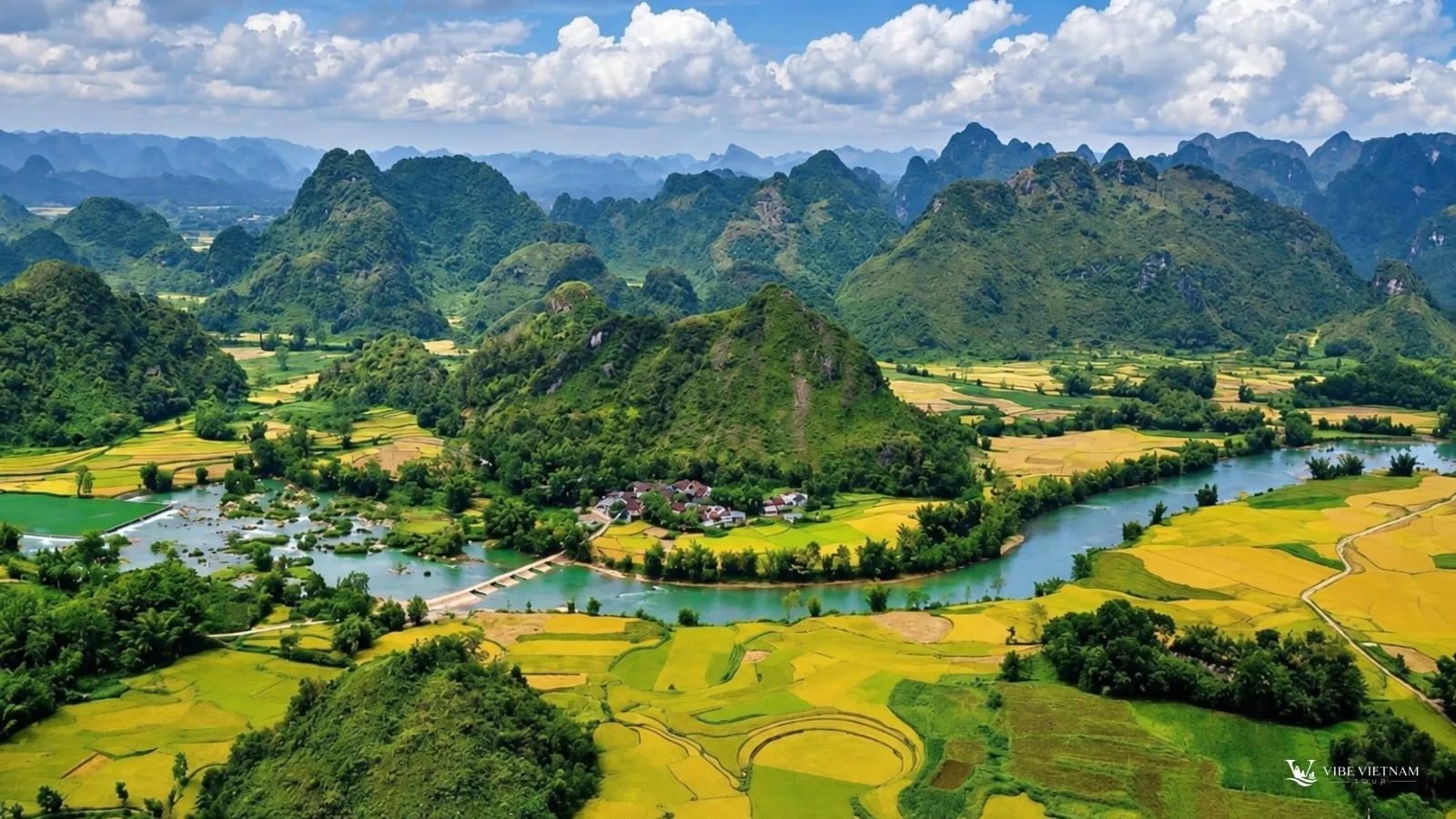
Tam Coc Travel Guide: River, Rice Fields & Bich Dong
A practical guide to travelling in Ninh Binh involving Tam Coc: covering the river boat trip, Bich Dong, cycli...
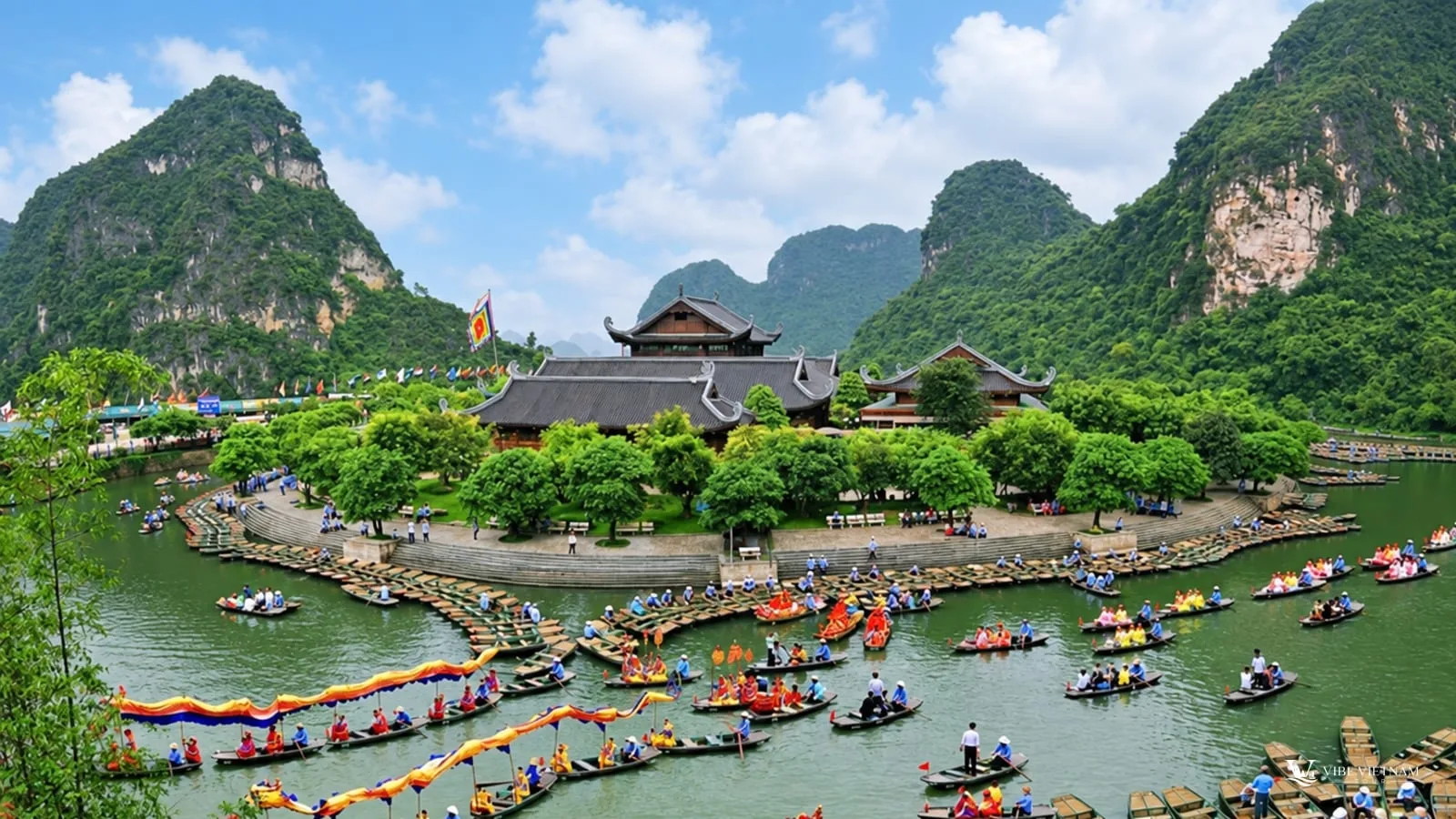
Trang An Travel Guide: Boat Routes & Cave Circuits
When visiting Trang An in Ninh Binh thoughtfully, consider what the boat experience entails, how to select a r...
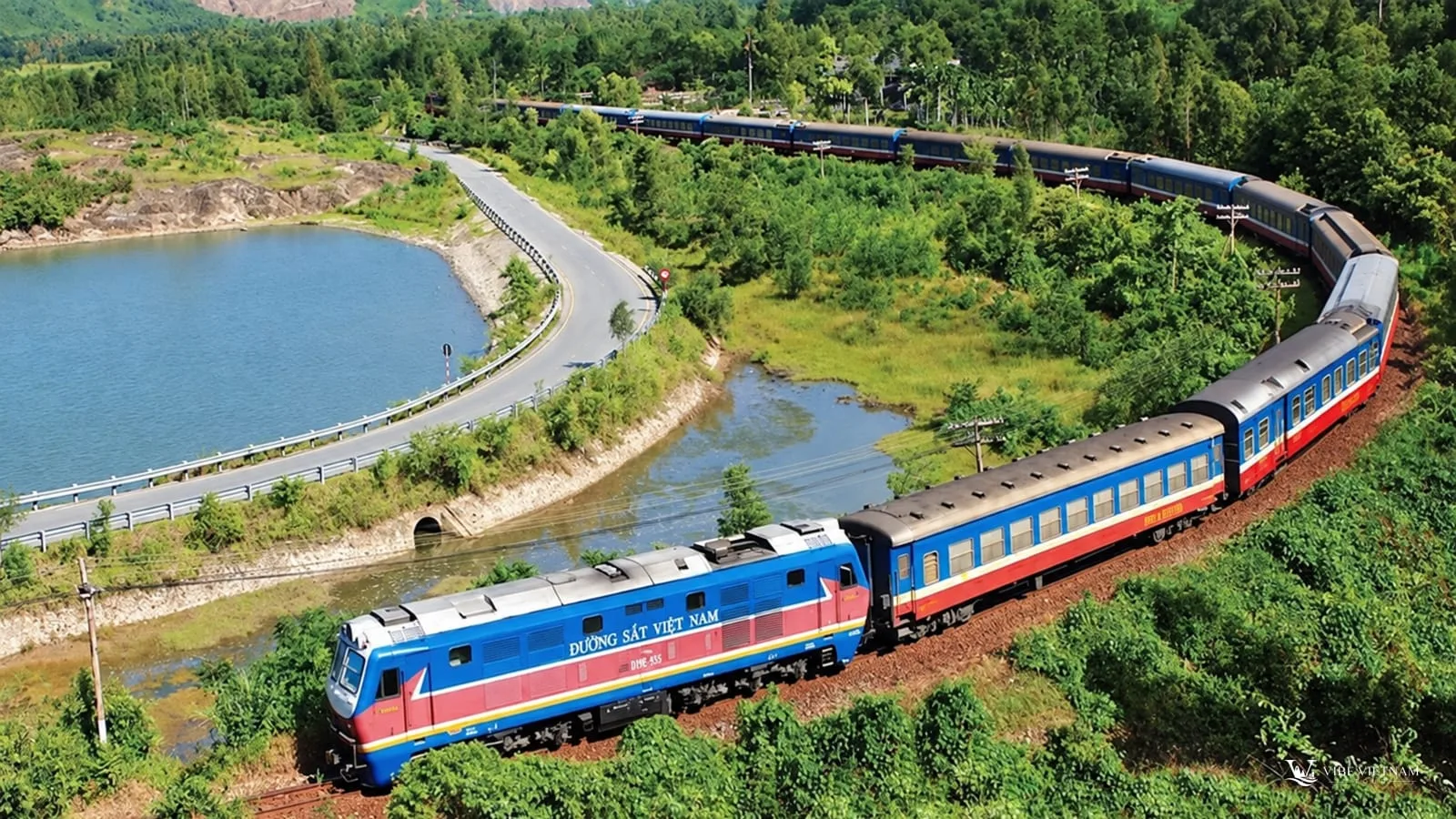
How to Get from Hanoi to Ninh Binh: Train, Limousine Bus, Car or Tour
You can compare the different options for getting from Hanoi to Ninh Binh—these include the train, a shared li...