Sa Pa Trekking Checklist: What You Really Need to Pack
Sa Pa trekking checklist for 1–3 days: clothing, shoes, rain gear, homestay, safety, and village etiquette.
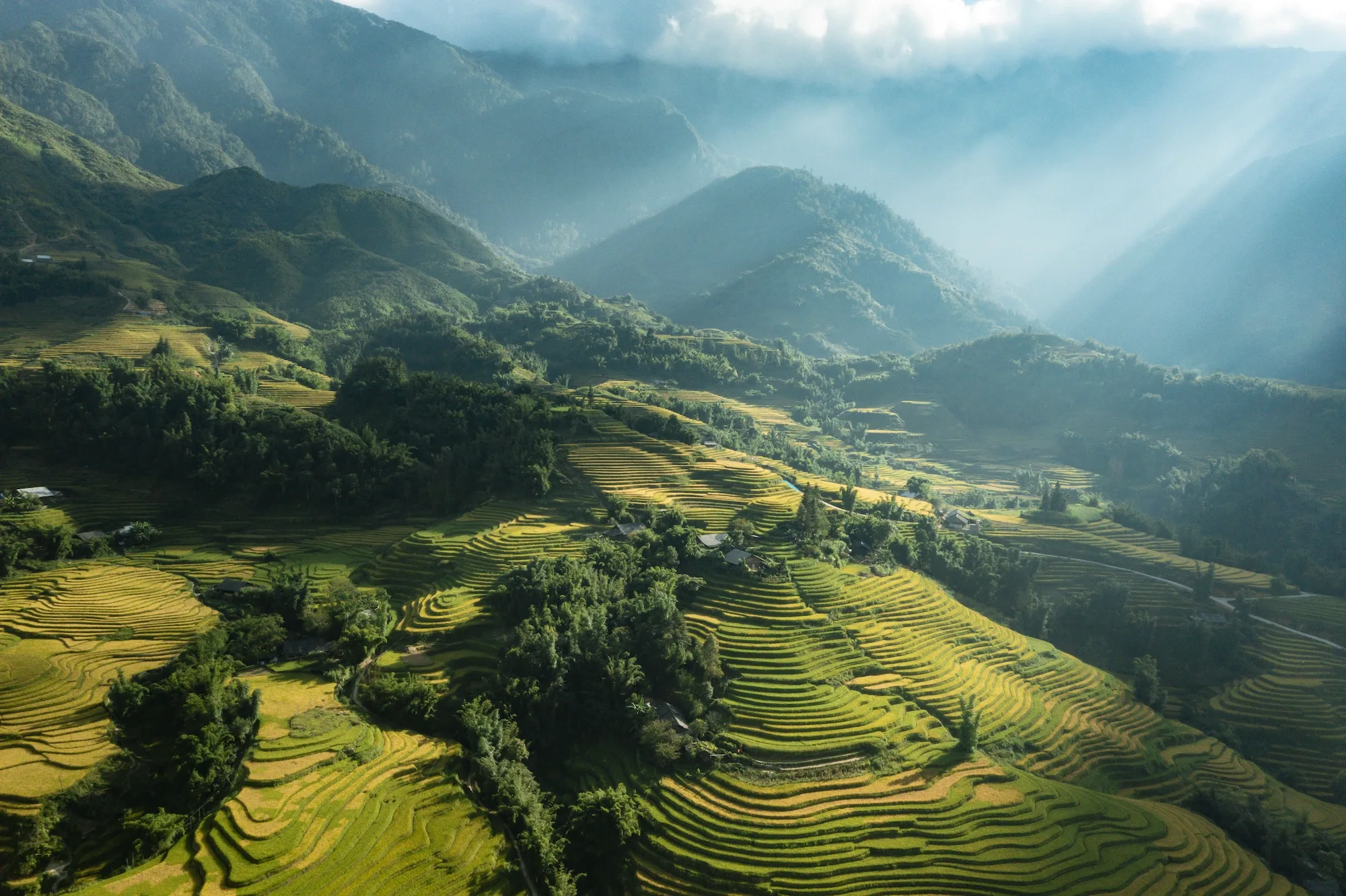
This Sa Pa trekking checklist starts with a decision about the route, not a fixed pile of gear. A day hike in the valley, a homestay overnight, and a Fansipan expedition each have different terrain, weather, altitude, and support levels. Choose your gear based on the route, then confirm details with your guide or tour operator.
Quick answer
For most valley trekking routes in Sa Pa, you should bring well-broken-in shoes with good grip, quick-dry clothing, a rain jacket or poncho, a small backpack, water from a safe source, sun and insect protection, personal medications, and blister treatment supplies. Only send your large suitcase to the hotel after your tour operator confirms the luggage plan. If you're staying in a homestay, add dry sleepwear, toiletries, and a headlamp; for Fansipan, add an insulating layer.
In this article
Understand the route before packing
Valley routes around Sa Pa include Cat Cat, Y Linh Ho, Lao Chai, Ta Van, and Giang Ta Chai, but distances, elevation, stone steps, mud, and weather vary. A dry forecast in town doesn't mean the valley trails are dry.
Ask about walking time, the steepest sections, trail surface, rest points, lunch stops, meeting points, and contingency plans for bad weather. For overnight trips, confirm the homestay and luggage arrangements. Choose a route based on the group's fitness; a shorter walk with timely breaks can matter more than pushing to a goal.
| Trip type | What can change | Packing priorities | Confirm in advance |
|---|---|---|---|
| Day walk in villages or valley | Stone steps, wet clay, rough descents, and changing shade | Grippy shoes, rain layer, water, and a light backpack | Trail surface, walking time, and rest stops |
| 2-day trek with homestay | Overnight amenities and how much luggage you carry yourself | Dry sleepwear, toiletries, headlamp, and spare socks | Bedding, towels, hot water, meals, and luggage transfer |
| Trek to Fansipan summit | Higher altitude, cold wind, steeper terrain, and route regulations | Insulating layer, serious rain gear, trekking poles, and personal first aid | Trail access procedures, guide, permits or fees, and weather plans |
Fansipan is not just a longer village route. Vietnam Tourism records the summit at 3,143 m; taking the cable car for views is a different experience from trekking. Check the current guidelines from Hoang Lien National Park before planning a climb.
Read route descriptions by terrain
Accessible village paths
Cat Cat and trails near town
Expect stone steps, village traffic, and an easier return to town. Ask where the steep sections start, whether the trail is crowded, and the ratio of stone to natural surface.
Trekking in terraced rice valleys
Y Linh Ho, Lao Chai, and Ta Van
Trails often have long descents, terraces, rough ground, and a finish point different from the start. Confirm walking time, lunch spots, pickup location, and luggage plans.
Muddy and forest sections
Ta Van and Giang Ta Chai
Rain can make clay, stone steps, and stream crossings harder. Ask about detours, whether the operator provides poles or boots, and safe rest points.
High mountain trekking
Fansipan and Hoang Lien
Treat this as a separate mountain plan with cold wind, higher altitude, and current access rules. A cable car ticket doesn't replace the questions you'd ask for a trekking route.
Route names are useful for orientation, but they're not a promise that the experience is always the same. The same trail can be completely different after a night of rain or when the group moves at a slower pace.
Pack for Sa Pa weather, not postcard photos
Vietnam Tourism describes April and May as often clear around the rice planting season, while September and October are popular for viewing terraced fields. June–August can be hot and humid; November–March is cooler. These are trends, not guarantees: fog, rain, and sun can all appear in a single trip.
| Time period | Real risks | Gear to add |
|---|---|---|
| March–May | Cool to pleasant mornings and occasional showers | Light layer, rain jacket, quick-dry pants, and sun protection |
| June–August | Humidity, heat, heavy rain, and muddy trails | Quick-dry clothing, pack liner or dry bags, insect repellent, and better rain gear |
| September–November | Possible clear spells, but mountain weather remains changeable | Insulating layer, rain jacket, grippy shoes, and a spare dry layer |
| December–February | Cold, fog, and lower temperatures at higher elevations | Fleece or thin insulation, hat, gloves, and extra dry socks |
Cloudy doesn't mean no sun, so still bring a hat, sunscreen, and sunglasses. Put on rain gear before you get wet, protect electronics, and slow down on descents. Heavy rain can affect roads and cause disruptions from floods or landslides; keep your schedule flexible and follow local advisories.
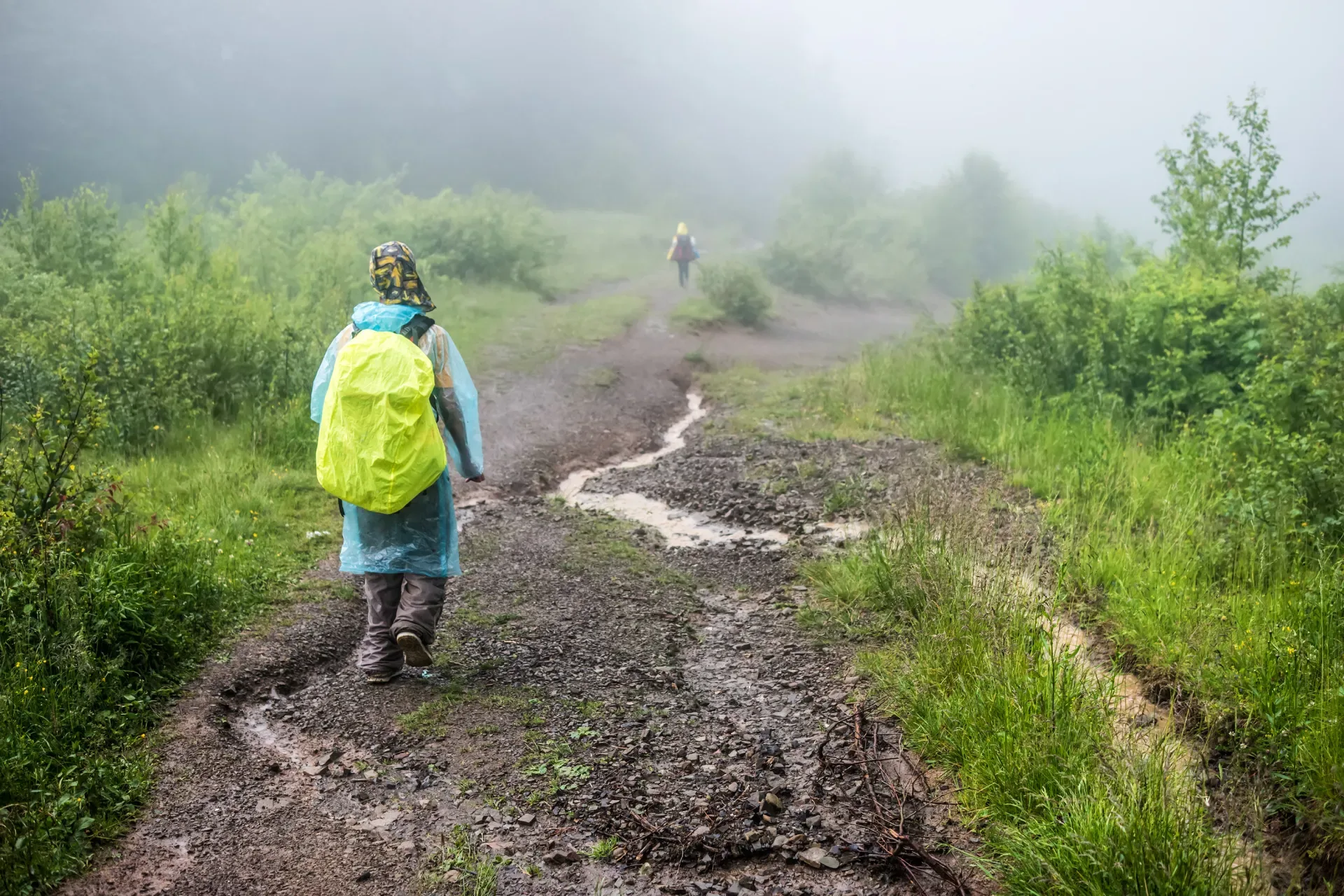
Essential Sa Pa trekking checklist
Carry for most valley treks
- Trail shoes or trekking shoes you've broken in, with tread suited to the route.
- Quick-dry shirt and pants, plus a light insulating layer.
- Rain jacket or poncho, plus a pack cover, liner, or dry bags.
- A refillable water bottle; only use reliable sources or properly treated water.
- Sun hat, sunscreen, sunglasses, and insect repellent.
- Phone, power bank, and offline maps of meeting points or route info.
- Band-aids, blister treatment, personal medications, and allergy information.
- Some cash, ID, and a secure way to store valuables.
A small backpack is less tiring on stone steps and narrow paths. About 15–25 liters suits many day routes, but the actual size depends on what's included in your service. Keep heavy items close to your back and separate electronics from wet clothes. Carry enough water for the trail conditions; only use sealed, filtered, or properly treated water, per CDC guidance for Vietnam.
Pack by decision, not by worry
| Decision to consider | What to bring | Why it matters |
|---|---|---|
| Will the weather change? | Rain jacket or poncho, pack liner, and dry clothes | Wet clothes and electronics become a problem long before the trail ends. |
| Do I need to handle minor issues? | Band-aids, blister protection, tape, and personal medications | Foot problems are always easier to treat before they change your pace. |
| Could I lose signal? | Offline route info, power bank, and emergency contacts | Phone reception in valleys and battery life are not guaranteed. |
| Am I staying overnight? | Dry sleepwear, toiletries, headlamp, and earplugs | Homestay standards and quiet hours vary by family and stay. |
Dress in three layers
Three thin layers work better than one bulky jacket: a breathable base layer, an insulating mid layer, and a weatherproof outer layer. This system adapts from a foggy morning to a sunny climb and a wet descent. Quick-dry pants are easier than jeans, as denim gets heavy when wet.
- Base layer: breathable shirt and underwear that don't hold too much moisture.
- Insulating layer: fleece, thin insulation, or a compact mid layer for early mornings and homestays.
- Weather layer: waterproof jacket or poncho that covers both you and the top of your backpack.
- Legs and feet: flexible pants, spare socks, and a dry pair for the evening.
- Evening: sleepwear and modest, comfortable clothes for a family homestay.
Test your rain cover before the first downpour: put on your backpack, raise and bend your arms, and check that you can use poles and access water. Keep a thin dry layer in a waterproof bag for the evening.
Shoes, poles, and wet surfaces
Choose shoes based on the route and test them before the trip. Trail shoes suit easier, drier paths; broken-in trekking shoes protect better on rough terrain and long descents. Grip and fit matter more than a new brand or advertised ankle support.
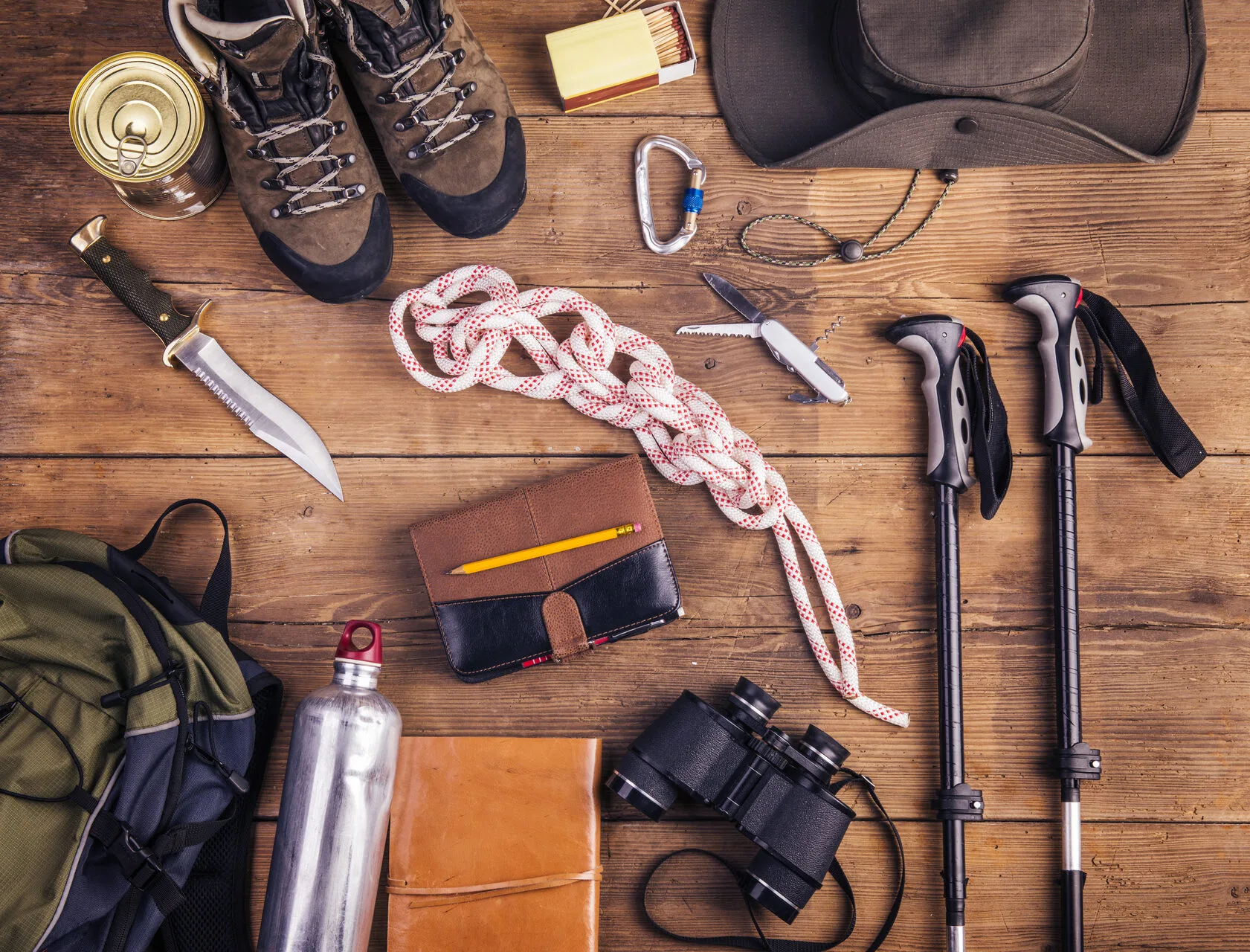
Rubber boots can help in deep mud, but fit and rental sources vary. Ask your guide in advance; treat equipment rental, porters, and shuttle vehicles as items to confirm per day, not fixed prices.
Trekking poles can reduce pressure on descents and help with balance on slippery steps. Use poles carefully near other people, fields, and wooden floors, and stay on the trail as approved by your guide.
Adjust the checklist by trek type
Day trek through villages
Keep your load light: dry bag, snacks, water, sun protection, and spare socks. Leave your suitcase at the hotel or use a luggage transfer option confirmed by your operator.
2-day trek with homestay
Add dry sleepwear, toiletries, earplugs, a headlamp, an insulating layer, and spare socks. Ask about bedding, towels, hot water, toilets, charging points, mosquito nets, and meals; standards vary. Only bring a sleeping bag if you want extra control.
Tell your guide about allergies, dietary needs, and mobility issues. Gifts are not required: paying the agreed price and respecting family rules matters more.
Fansipan trek
Prepare for higher altitude, cold wind, steep terrain, and fewer shelters. Add an insulating layer, hat, gloves, rain gear, dry socks, poles, and a headlamp if starting early. Keep personal medications accessible.
Published guidelines from Hoang Lien National Park state that independent climbers of Fansipan must have a guide. Confirm current access rules, guide requirements, fees, permits if any, and transportation plans with the park or a reputable operator.
What to leave at the hotel or confirm in advance
Hard-shell suitcases are very inconvenient on stone steps in villages. Only carry what you can manage yourself. Confirm the meeting point, guide contact, route, forecast, luggage plan, meals, and provided equipment. Don't assume a guide, lunch, rain gear, poles, boots, porter, or shuttle is included; ask in writing.
Questions to ask before booking a tour
A checklist can't compensate for an unclear itinerary. Send these questions to your guide or operator and keep the answers with your booking info:
- What is the specific route name, and which trail surfaces and steep sections should we prepare for?
- At our group's pace, what is the expected walking time, including rest stops?
- If heavy rain makes the planned route unsafe, what is the backup plan?
- Are lunch, water, equipment, porters, or luggage transfer included?
- What exactly does the homestay provide, and will the group share a room?
- Who is the guide, where do we meet, and what is the emergency plan?
Good answers should be specific but not pretend that mountain routes are perfectly predictable. If a tour package can't explain what changes in rain, ask for a different option before paying a deposit.
Water, health, and safety on the trail
Health note: This is practical travel information, not a diagnosis or a substitute for medical advice. If you have a pre-existing condition, take regular medication, are pregnant, or plan to go to high altitude, consult a qualified healthcare professional before the trip.
CDC guidance for Vietnam emphasizes safe food and water, mosquito and sun protection, and preparing for changing outdoor conditions. Bring insect repellent, appropriate long sleeves, sunscreen, a hat, and a small first aid kit. Avoid untreated tap water, floodwater, and freshwater sources with uncertain sanitation.
Sa Pa town and Fansipan are different altitude experiences. CDC notes that altitude sickness can affect people sleeping at around 2,450 m or higher if not acclimatized; Fansipan is 3,143 m. Know the warning symptoms and tell your guide if you feel unwell; don't self-medicate based on a blog post.
Go slowly on slippery surfaces and accept shortening or turning back when conditions worsen. If bitten or scratched by an animal, wash immediately with soap and clean water and seek medical care promptly; Vietnam is a rabies-risk country.
- Tell your guide about old injuries, allergies, current medications, and your desired pace.
- Agree on rest signals and how to handle someone needing to stop.
- Protect your phone and power bank from rain, but don't rely on reception in every valley.
- Save your booking info and important emergency contacts offline.
Simple routine for trek day
- Check the forecast, shoes, water, phone battery, and meeting point before leaving.
- Tell your guide about injuries, medications, allergies, and the slowest person in the group.
- Take the first break before exhaustion, not after someone is already too tired.
- Reassess at each steep or wet section and accept a shorter walk when conditions change.
Homestay logistics are also part of the checklist
Ask what the homestay provides on your specific stay dates: sleeping space, bedding, towels, hot water, toilets, charging points, mosquito protection, meals, and luggage storage. Ask if the group shares a room and whether the final stretch involves walking after dark.
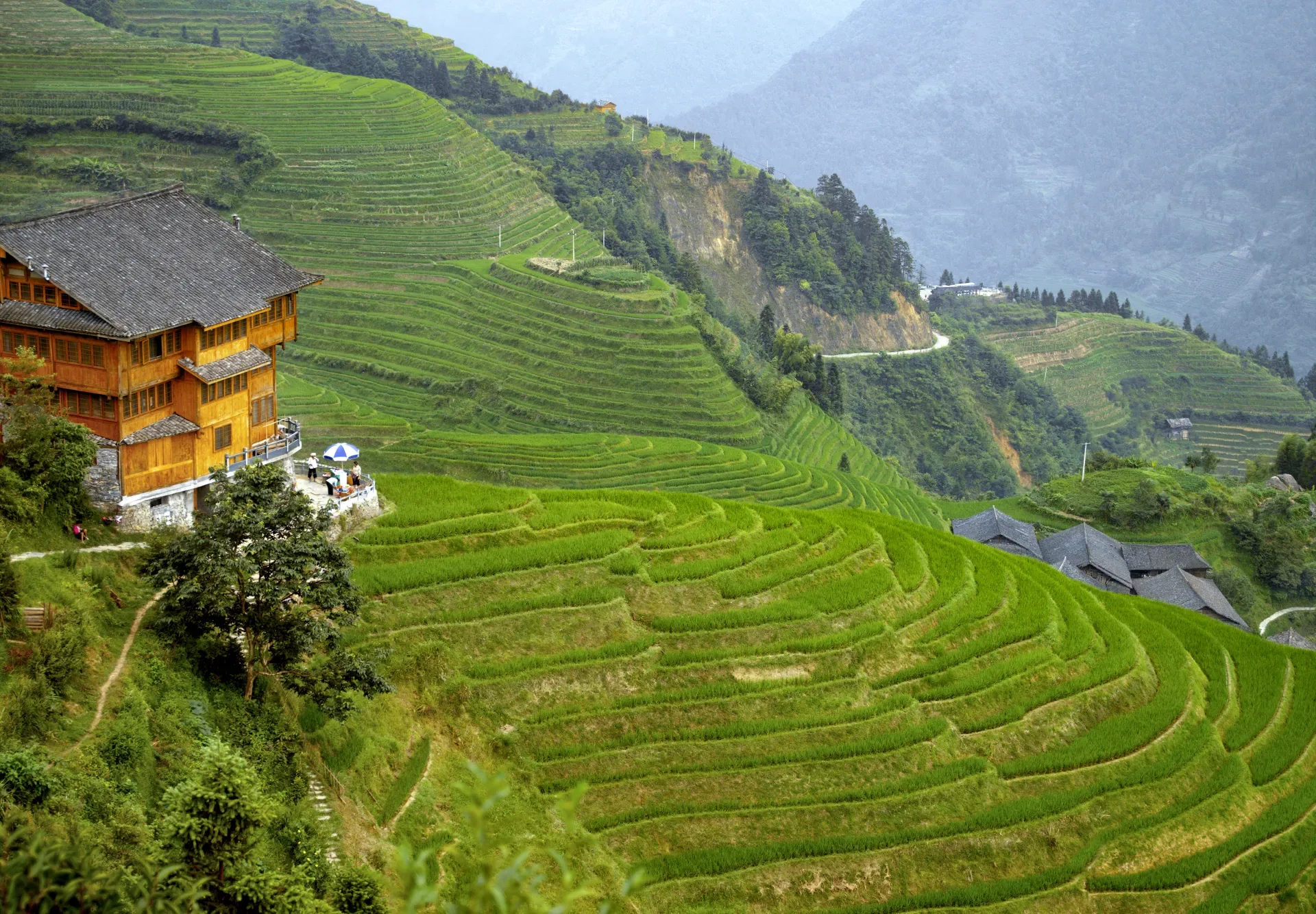
Local guides recommend preparing for muddy trails on 2–3 day trips, but amenities still depend on the operator. Treat online checklists as a list of questions to confirm, not a guarantee.
Trekking through villages responsibly
Sa Pa trekking passes through living communities, homes, fields, and culturally significant spaces. Ask before photographing people, children, homes, or ceremonies; follow guidance when near trails, crops, and sacred sites.
Carry out all trash, reduce single-use plastics when possible, and pay the agreed price for guides, meals, and handicrafts. A good checklist is light, weather-ready, and route-specific.
Test your gear before trek day
Walk in your shoes, socks, and backpack on a nearby trail. Adjust straps, test the rain cover, and address hot spots before the trip. Keep a dry layer in a waterproof bag.
Tell your guide about injuries, current medications, or a slower group pace. Save the meeting point and route offline, then support the villages by paying the agreed price and following local rules.
References and further reading
Primary documents and practical sources
- Vietnam Tourism: Sa Pa destination guide: travel seasons, trekking context, and Fansipan.
- Vietnam Tourism: sustainable Sa Pa itinerary: local guides and homestays.
- CDC Travelers' Health: Vietnam: water, insects, sun, and animal bites.
- CDC Yellow Book: Vietnam: health guidance for travelers.
- CDC: travel at high altitude: context on altitude risks.
- UK travel advice: Vietnam: heavy rain and landslides.
- Hoang Lien National Park: visitor guidelines: guide requirements for Fansipan.
- Sapa Tourism: preparing for a homestay trip: local suggestions; amenities may vary.
Reviewed August 26, 2026. Trail conditions, facilities, prices, and national park requirements can change. Reconfirm details with the park or your operator before departure.
Frequently asked questions
Do I need special shoes for trekking in Sa Pa?
Sturdy, well-broken-in shoes with good grip are essential. Trekking shoes suit longer or wetter routes; local rubber boots can help in deep mud if they fit well.
What should I bring for a day trek in Sa Pa?
Bring grippy shoes, quick-dry clothing, a rain jacket, water from a reliable source, sun and insect protection, a phone or power bank, personal medications, and blister treatment.
What extra items do I need for a homestay trek in Sa Pa?
Add dry sleepwear, toiletries, a headlamp, earplugs, an insulating layer, and spare socks. Confirm bedding, towels, hot water, toilets, meals, and luggage transfer, as amenities vary.
Is trekking Fansipan the same as trekking through villages in Sa Pa?
No. Fansipan has higher altitude, cold wind, steeper terrain, and different access requirements. Check current national park guidelines, guide arrangements, and weather before going.
Tours featured in this story

Sapa Trekking 2 Days 1 Night: Muong Hoa Valley Rice Terraces & Tả Van Homestay

Planning a Vietnam trip?
Share your dates, interests and pace. The Vibe Vietnam Tour editorial team can turn this guide into a practical private itinerary.
Plan my tripMore stories you may like
The Best Time to Visit Vietnam: A Region-by-Region Guide
A region-by-region Vietnam weather guide for choosing dates, balancing rain and heat, planning festivals and b...
Phu Quoc with Kids: A Calm Family Travel Guide
Family-friendly Phu Quoc planning: where to stay, how to pace beaches and boat trips, safety, food, weather an...
Tam Coc Travel Guide: River, Rice Fields & Bich Dong
A practical guide to travelling in Ninh Binh involving Tam Coc: covering the river boat trip, Bich Dong, cycli...