Ha Long Bay Without the Crowds: How to Pick a Quiet Cruise
Ha Long Bay is famous, and at midday it can feel like a car park for boats. Here's how to choose a quieter part of the bay, a smaller boat and better timing.

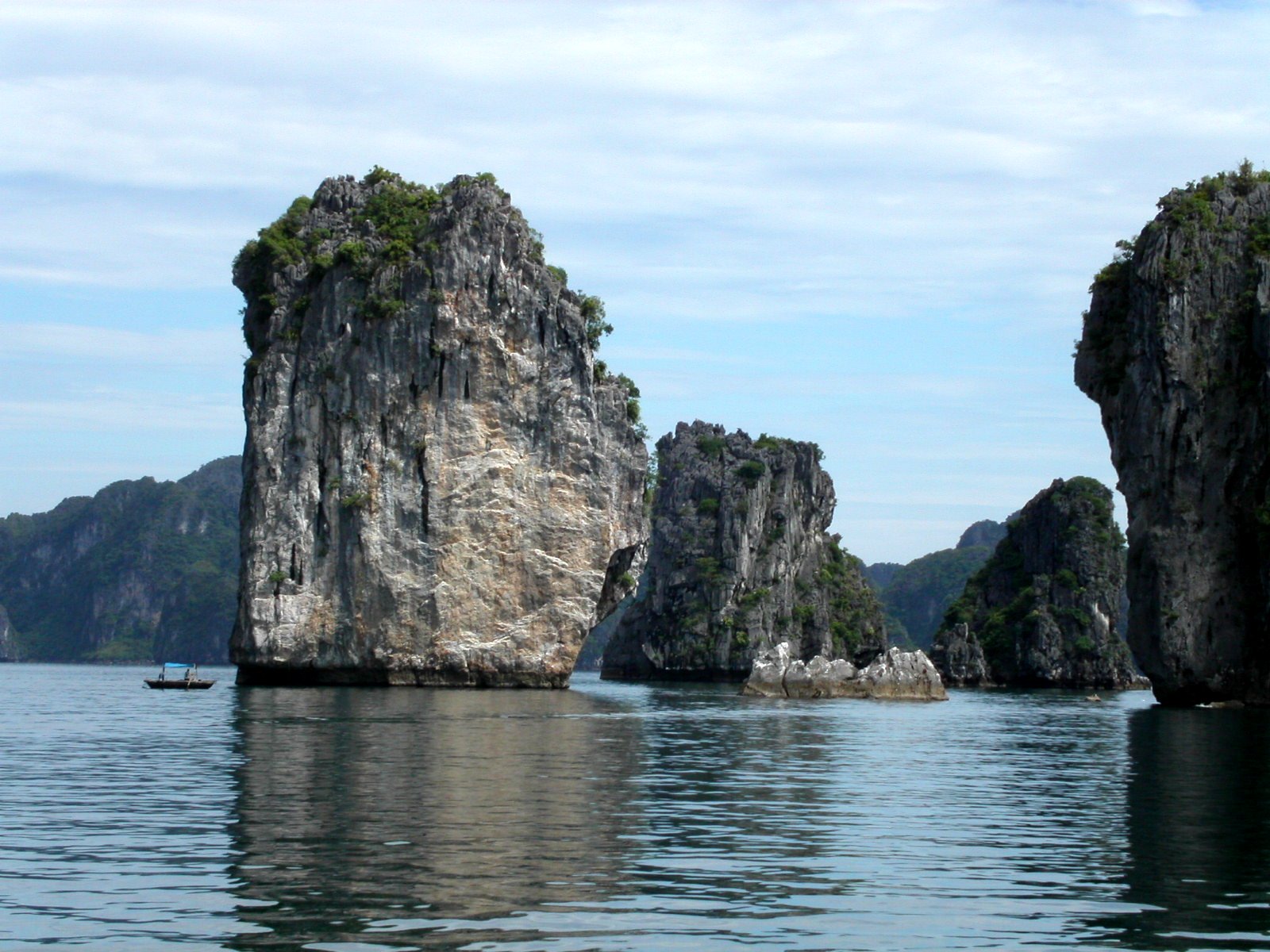
Thousands of limestone karst towers rising out of green water, with morning mist drifting between the cliffs: that picture is what draws millions of people to Ha Long Bay. The reality for many is different. They spend up to two hours queuing at a crowded terminal, then share the water with boats lined up nose to tail and cave boardwalks packed with selfie sticks and megaphone-led groups.
The good news: the quiet Ha Long Bay you had in mind still exists. You don't need to skip the bay, just approach it differently. That means picking the right part of it, a smaller boat and better timing, instead of racing between packed caves. Do that and a UNESCO World Heritage site can feel like your own.

1. Choose the right bay first: Core Ha Long, Lan Ha or Bai Tu Long?
The karst archipelago in the Gulf of Tonkin is really three neighboring bays. The rock formations are similar, but the atmosphere is very different:
- Core Ha Long Bay (the UNESCO heart): This is where you'll find Surprise Cave (Hang Sung Sot) and Ti Top Island. The scenery is impressive, but it takes most of the commercial traffic and the crowded day cruises. If you choose this route, pick an operator with an off-peak sailing license.
- Lan Ha Bay (south, around the Cat Ba archipelago): Lan Ha borders Ha Long directly and has hundreds of karst pinnacles in very clear water, plus more than 130 small sandy coves tucked under the cliffs. It sees roughly one-third of the boat traffic of core Ha Long, which makes it the best choice for swimming and for kayaking into sea caves. It pairs well with our private Cat Ba National Park & Lan Ha Kayak Tour if you want an active, nature-focused trip.
- Bai Tu Long Bay (northeast): The quietest of the three. Provincial authorities ration the boat permits strictly, so there are almost no day boats and it feels much wilder.

2. Take an overnight cruise instead of a rushed day trip
The most common mistake is booking a 4-to-6-hour day boat from Hanoi. You spend nearly six hours on the highway, only to reach the bay at its hottest and busiest (11:30 AM to 3:00 PM) and share narrow boardwalks with thousands of other day-trippers.
The bay changes after about 3:30 PM, when the day boats head back to port. On a Ha Long Bay Overnight Cruise 2D1N you get the best parts of the day:
- Sunset on the sundeck: the sun going down behind the karst silhouettes, with a cocktail in your hand and hardly any noise.
- Dinner at anchor: fresh, seasonal seafood in a sheltered lagoon, with only the sound of water against the hull.
- Sunrise at 05:30: mist lying on the water before anyone else is up, and a Tai Chi session on the open bow if you feel like it.
If you have more time, look at the Ha Long 3-Day 2-Night Itinerary, which reaches outer islets and old fishing communities that standard boats don't visit. And if you're deciding between the sea and the land-based karst scenery, read our comparison of Ha Long Cruise vs. Ninh Binh before you plan the rest of your northern trip.

3. Choose a boutique boat over a floating mega-hotel
In recent years the bay has filled up with huge vessels carrying 500 passengers, with banquet halls and big swimming decks. They're comfortable, but sharing a boat with hundreds of people means queuing for the tenders, crowded sundecks and impersonal service.
Boutique boats (10 to 20 cabins) work differently. They have a shallow draft, so the captain can take narrower channels, anchor in quiet corners away from the main anchorages, and run kayak trips straight from the boat's swim platform.
4. The highlight: kayaking into hidden lagoons
You don't really get the bay from a lounge on the upper deck. You get it when your paddle is in calm, green water and the limestone cliffs are right beside you.
At the right tide, guides take kayaks through low sea arches such as Bright & Dark Cave (Hang Sang Toi), where the clearance above the water can be a matter of feet. On the other side is a hidden, enclosed lagoon ringed by vertical cliffs covered in wild orchids, and home to Cat Ba langurs.

5. When to go and what the weather does
- Best season (September – November and March – May): warm, stable weather, clear skies, little rain and good visibility. Autumn and spring are the best times to sail.
- Winter (December – February): cooler, with low mist that often hangs over the water and makes the bay look like a watercolor painting.
- Typhoon season: In July and August, tropical storms can lead port authorities to suspend sailings for safety. An established operator like Vibe Vietnam Tour gives you clear cancellation terms, prompt refunds, or a comfortable land-based alternative.
Frequently asked questions
Is 1 night or 2 nights better for a Ha Long Bay cruise?
For most travelers, a 2-day, 1-night cruise is the best balance: you get sunset, a night at anchor under the stars, and sunrise. If you want more kayaking in quiet lagoons, cycling through old Cat Ba villages and almost no other tourists, choose a 3-day, 2-night itinerary.
Is Lan Ha Bay really quieter than Ha Long Bay?
Yes. Lan Ha Bay has roughly one-third of the boat traffic of core Ha Long Bay, almost no day-trip boats, and more natural sandy beaches, so it's much more peaceful.
What happens if stormy weather cancels our cruise?
The regional maritime authority suspends sailings when conditions are unsafe. If that happens on a Vibe Vietnam Tour booking, unused services are refunded under our refund policy, and we'll help you set up a land-based alternative in Ninh Binh or Hanoi right away.
Should I consider a 4-to-6-hour day cruise to Ha Long Bay?
We wouldn't recommend it. A day trip means about six hours of round-trip highway driving to reach crowded caves at midday, alongside hundreds of other tour groups.
Tours featured in this story
Planning a Vietnam trip?
Share your dates, interests and pace. The Vibe Vietnam Tour editorial team can turn this guide into a practical private itinerary.
Plan my tripMore stories you may like
Halong Bay 3 Days 2 Nights: An Honest Planning Guide
What a 3 day 2 night Halong cruise really includes: the middle-day boat transfer, 2026 entrance fees in USD an...

Ha Long Bay or Ninh Binh: Which One Should You Choose?
A clear comparison of Ha Long Bay and Ninh Binh for short northern Vietnam trips, including landscapes, time,...

Tam Coc Travel Guide: River, Rice Fields & Bich Dong
A practical guide to travelling in Ninh Binh involving Tam Coc: covering the river boat trip, Bich Dong, cycli...