The Best Street Food in Hanoi: A Thoughtful First-Timer’s Guide
A practical Hanoi street-food guide covering what to eat, how to choose stalls, dietary needs, ordering etiquette and a realistic one-day food route.
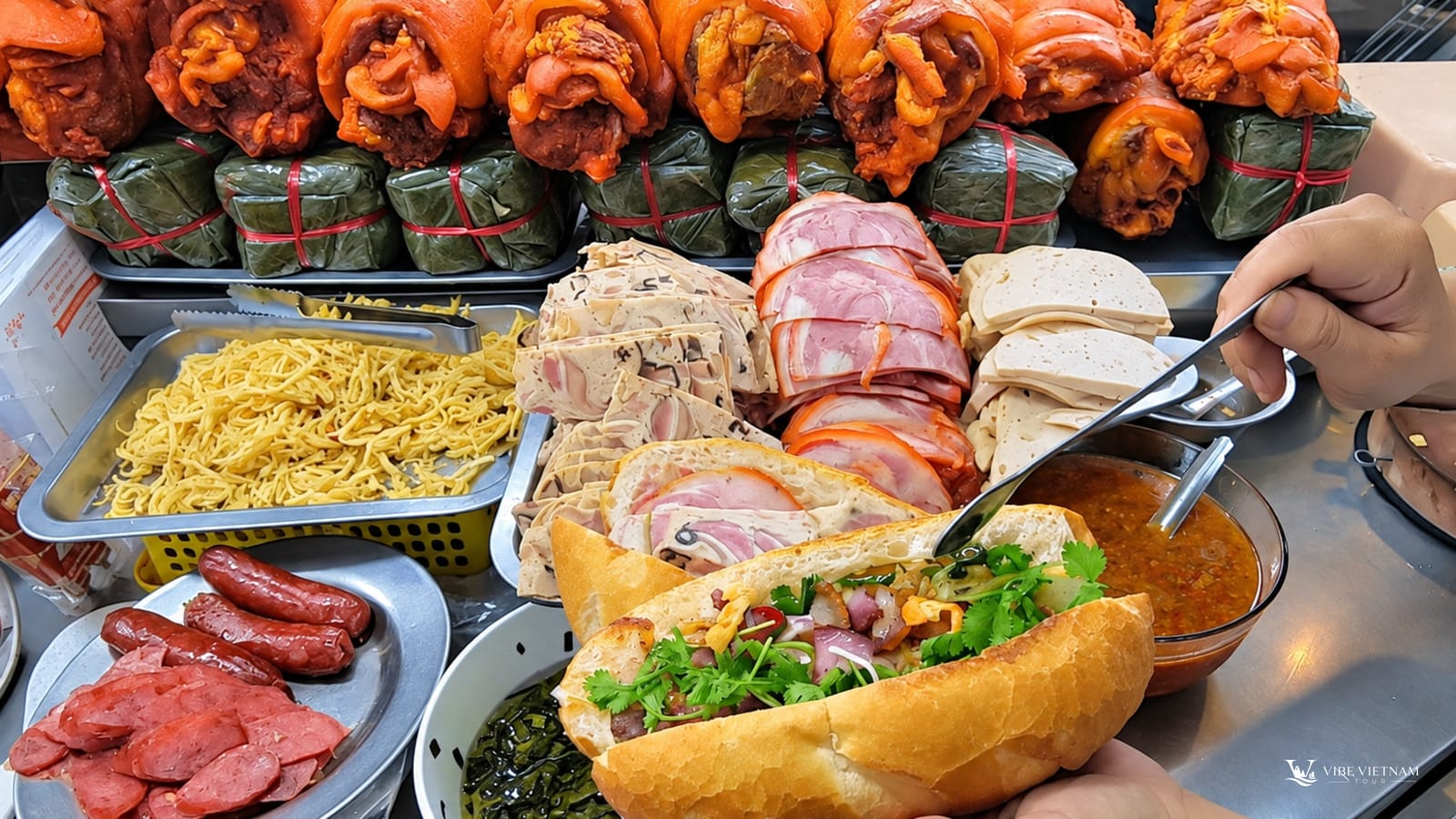
Hanoi’s food culture is best understood as a daily rhythm rather than a list of famous dishes. Breakfast begins early, lunch is quick and social, and dinner may happen on a low plastic stool beside a narrow lane. The Old Quarter is a useful starting point, but the most rewarding meals come from learning how to choose a busy stall, order clearly and follow the same ingredients from one neighbourhood to the next. This guide maps out a thoughtful food day for first-time visitors.
Quick answer: begin with phở or bánh cuốn, eat bún chả around midday, keep a small snack for the afternoon and finish with egg coffee or chè. Carry water, hand sanitiser and a note of any dietary restrictions translated into Vietnamese.
Start with breakfast, not a brunch reservation
Hanoi’s breakfast vendors often serve one dish for a short window, which is why arriving early feels like joining local life rather than visiting a themed attraction. Phở bò is a fragrant beef noodle soup; phở gà is lighter and gentler. Bánh cuốn is steamed rice batter filled with minced pork and wood ear mushroom, usually served with herbs and a dipping sauce. Choose a stall with a queue of local customers, visible turnover and ingredients kept away from dust and traffic.
Order one portion first. Vietnamese servings are often generous, and eating smaller portions lets you try more dishes. A useful phrase is “một phần” for one serving. If you do not eat meat, say “ăn chay” and confirm whether the broth contains fish sauce or meat stock.

What to look for in a good street stall
Cleanliness is not about polished furniture; it is about flow. Look for food cooked to order, hot broth, separate raw and cooked ingredients, clean water for herbs and a steady stream of customers. High turnover matters because noodles, meat and herbs are not sitting in the heat all day. Avoid a stall that cannot explain ingredients when you have a serious allergy.
- Watch the cooking process before you sit down.
- Use the chopsticks, herbs and sauces offered for your table rather than reaching into another tray.
- Keep valuables close; narrow pavements are busy and motorbikes may pass unexpectedly.
- Pay attention to the total and ask for the price before ordering unfamiliar add-ons.
Midday is bún chả time
Bún chả combines smoky grilled pork, rice noodles, herbs and a sweet-sour dipping broth. The meat and broth arrive separately, so dip a little at a time and add herbs for freshness. It is one of Hanoi’s clearest examples of balance: charred, salty, sweet, sour and aromatic in the same bowl. Eat it slowly; the best places keep grilling in small batches rather than producing a huge tray in advance.
Other lunchtime dishes worth seeking are bún thang, a delicate chicken-and-egg noodle soup; miến lươn, glass noodles with eel; and chả cá, turmeric-marinated fish cooked with dill. Chả cá is usually a longer sit-down meal, so reserve it for an evening when you want a slower experience.
Afternoon coffee and small bites
Hanoi coffee is strong, dark and often sweet. Egg coffee is a whipped egg-yolk and condensed-milk topping over coffee; coconut coffee is colder and more dessert-like. For a savoury snack, try nem chua rán, fried fermented pork sausage, or a simple bánh rán. If you prefer less sugar, say “ít đường.” The Old Quarter’s cafés can be cramped, so step inside rather than blocking a doorway or sitting on a busy crossing.
Food is also a way to understand the city’s architecture. A tiny shop may occupy the ground floor of a narrow tube house, while a market lane opens behind a row of colonial façades. Leave time between stops to walk, not just to photograph plates.
Dinner: choose one neighbourhood and stay curious
A common mistake is trying to cover every “must eat” place in one night. Choose a small area (the Old Quarter, Ba Dinh, Tay Ho or a local market) and build a route of one main dish, one shared plate and one dessert. Look for family-run places with a focused menu. A short menu usually means the kitchen knows its ingredients and timing.
For a more formal dinner, order regional dishes such as grilled pork with rice, northern-style hotpot or a seasonal vegetable plate. Ask whether service charge and drinks are included. At a busy street stall, keep expectations realistic: plastic stools and traffic noise are part of the setting, while table service and English explanations may be limited.
Dietary needs, allergies and food safety
Vietnamese food often uses fish sauce, shrimp paste, peanuts, sesame and shared cooking surfaces. Vegetarian does not automatically mean vegan, and “no meat” may still include fish sauce. Write down the restriction in Vietnamese and show it before ordering. For severe allergies, choose a guide who can communicate with the kitchen and carry prescribed medication.
Drink sealed water or water from a trusted filter, wash hands before eating and be cautious with raw herbs if your stomach is sensitive. A short bout of stomach trouble can turn a great food day into a lost day, so increase variety gradually.
Plan a food walk that respects local life
Ask before photographing vendors, don't move chairs or cookware for a better shot, and avoid turning a small home kitchen into a stage. Pay the listed price promptly, bring small notes and keep your voice down in residential lanes. A licensed guide on a Hanoi Old Quarter walking tour can translate stories, introduce hidden alleyway stalls and make sure visits stay respectful.
Food isn't a prop. It's work, family income and memory. The most respectful visitor eats with curiosity, leaves the pavement clear and goes back to the places that suit their taste.
Sources and further reading
- Vietnam Tourism: Ha Noi Food Guide
- Vietnam Tourism: 10 must-try Hanoian dishes
- World Health Organization: food safety basics
How to make a Hanoi food day feel local
Begin outside the busiest tourist lanes, then use the Old Quarter as a place to connect flavours and history. A local guide can explain why a broth is served at a certain time, how herbs are prepared and which dishes are seasonal. If you explore alone, choose one market, one noodle shop and one café rather than chasing a long online list.
Keep an allergy card in Vietnamese and show it before sitting down. Ask whether a sauce is made with fish, shrimp or peanuts, and remember that a shared grill can carry ingredients you are avoiding. Take a break between dishes; the heat, traffic and strong coffee add up quickly.
Record the name and neighbourhood of dishes you love. You can return later, recommend the place accurately and support a small business without turning it into a one-time photo stop.
Before you book a food tour
Before you ask a tour company for a proposal, write down your dates, where you arrive and leave from, who's traveling, any allergies or dietary rules, and the three food experiences you care about most. Say whether you want street stalls only or are happy with a sit-down meal now and then. It takes five minutes and lets a local designer build a food route that fits, rather than send a generic package. If you want to pair Hanoi's food with karst scenery, see our Classic Northern Vietnam 4-Day Tour, or read our transport advice on how to get from Hanoi to Ninh Binh.
If you book a food tour, ask each operator the same few questions: how many tastings are included, whether drinks and a final bill are extra, how big the group is, how they handle allergies and vegetarian requests, and what happens if it rains. Get the answers in writing so you can compare quotes properly.
Use this guide as a starting point, not a promise about a fixed price or opening hour. Suppliers, weather and local regulations change. Recheck the official sources linked above and ask for a date-specific confirmation before paying a deposit. The Vibe Vietnam Tour editorial team updates guides when route conditions or practical rules change, while the operating team confirms the live availability for your trip.
On the night, keep the booking confirmation, the meeting point and your guide's phone number somewhere you can open offline. Carry small notes and some wet wipes, and save your hotel's address in Vietnamese in case a taxi driver needs it.
On the day, check the meeting point, weather and phone battery before you leave. Then put the screen away long enough to notice the people, sounds and food around you. Those details become the story you remember.
Frequently asked questions
What should I eat first in Hanoi?
Start with phở or bánh cuốn for breakfast, then try bún chả at lunch. These dishes give a useful introduction to Hanoi’s broth, herbs and grilled flavours.
Is street food safe for visitors?
Choose busy stalls with high turnover, food cooked hot to order and good separation between raw and cooked ingredients. Use extra caution with severe allergies.
How do I order vegetarian food?
Say “ăn chay” and explain whether you also avoid fish sauce, shrimp paste, eggs and dairy. A written Vietnamese note is helpful.
Do I need a food tour?
No, but a good local guide helps with small menus, pronunciation, allergy communication and the stories behind dishes that are difficult to find independently.
Tours featured in this story

Classic Northern Vietnam 5 Days: Hanoi, Ninh Bình & Halong Bay Cruise
Planning a Vietnam trip?
Share your dates, interests and pace. The Vibe Vietnam Tour editorial team can turn this guide into a practical private itinerary.
Plan my tripMore stories you may like

Tam Coc Travel Guide: River, Rice Fields & Bich Dong
A practical guide to travelling in Ninh Binh involving Tam Coc: covering the river boat trip, Bich Dong, cycli...

Trang An Travel Guide: Boat Routes & Cave Circuits
When visiting Trang An in Ninh Binh thoughtfully, consider what the boat experience entails, how to select a r...

How to Get from Hanoi to Ninh Binh: Train, Limousine Bus, Car or Tour
You can compare the different options for getting from Hanoi to Ninh Binh—these include the train, a shared li...